President Donald Trump, 74, and Democratic challenger Joe Biden, 77, each have more than seven decades of personal and professional experience behind them.
Here is a selection of photos that span their lives.
IMAGE COPYRIGHTALAMY
image captionAn 18-year-old Donald Trump in his military school uniform, pictured in the New York Military Academy’s 1964 yearbook
IMAGE COPYRIGHTALAMY
image captionJoe Biden, aged 25, in 1967
IMAGE COPYRIGHTGETTY IMAGES
image captionDonald Trump in 1976
IMAGE COPYRIGHTGETTY IMAGES
image captionSenator-elect Joe Biden takes the oath of office in hospital, with his father-in-law Robert Hunter looking on, and recovering son Beau Biden
IMAGE COPYRIGHTJOE MCNALLY / GETTY IMAGES
image captionDonald Trump travels across New York City in his personal helicopter in August 1987
IMAGE COPYRIGHTARNIE SACHS / GETTY IMAGES
image captionSenator Biden with his wife Jill, at a press conference, announcing his withdrawal from the presidential race
IMAGE COPYRIGHTGETTY IMAGES
image captionMr Trump attends a press conference for Miss USA and Miss Teen USA in New York, January 1999
IMAGE COPYRIGHTWALLY MCNAMEE/ GETTY IMAGES
image captionSenators Joe Biden and Ted Kennedy during the Clarence Thomas confirmation hearings
IMAGE COPYRIGHTRON GALELLA / GETTY IMAGES
image captionDonald Trump and Melania Trump, then Melania Knauss, seen in 1998
IMAGE COPYRIGHTJOE RAEDLE / GETTY IMAGES
image captionJoe Biden speaks on stage after being introduced by Barack Obama as his vice-presidential running mate at an event in Springfield, Illinois
IMAGE COPYRIGHTCARLOS BARRIA / REUTERS
image captionPresident Donald Trump points to his son Barron on inauguration day in Washington in 2017, with First Lady Melania
It was not until June 2015 that Mr Trump formally announced his entrance into the race for the White House. His campaign for the presidency was rocked by controversies, including the emergence of a recording from 2005 of him making lewd remarks about women, and claims, including from members of his own party, that he was not fit for office.
But he consistently told his army of supporters that he would defy the opinion polls, which mostly had him trailing his Democratic rival Hillary Clinton. He said his presidency would strike a blow against the political establishment and “drain the swamp” in Washington.
He took inspiration from the successful campaign to get Britain out of the European Union, saying he would pull off “Brexit times 10”. Despite almost all the predictions, Mr Trump was victorious in the 2016 election. He was inaugurated as the 45th US president on 20 January 2017.
IMAGE COPYRIGHTMICHAEL REYNOLDS / GETTY IMAGES
image captionBarack Obama and Joe Biden react as the prime minister of Ireland, Brian Cowen, speaks during the annual St Patrick’s Day Reception in the White House in 2010
In a surprise ceremony in the final days of his presidency, Mr Obama awarded Mr Biden the Presidential Medal of Freedom – the nation’s highest civilian honour.
“To know Joe Biden is to know love without pretence, services without self-regard and to live life fully,” the then president said.
It had been a successful partnership, but a period not without trauma for Mr Biden, whose son Beau died of brain cancer in 2015 at the age of 46. The younger Biden was seen as a rising star of US politics and had intended to run for Delaware state governor in 2016.
IMAGE COPYRIGHTWIN MCNAMEE / GETTY IMAGES
image captionPresident Donald Trump removes his mask upon return to the White House from Walter Reed National Military Medical Center on 5 October, after spending three days hospitalised for coronavirus
Mr Trump’s re-election campaign has been conducted against the backdrop of the coronavirus pandemic, in which 230,000 Americans have died, and seen the president himself become infected. First Lady Melania Trump and their son Barron caught the virus too, along with a number of staff at the White House.
In the days before the election on 3 November, Trump urged states to shun lockdowns, whilst continuing his schedule of rallies in battleground states.
IMAGE COPYRIGHTROBERTO SCHMIDT / GETTY IMAGES
image captionJoe Biden speaks to the press at the Erie International Airport in Pennsylvania before returning to Delaware on 10 October
The two presidential rivals’ divisions over the coronavirus have been deep, with Mr Biden having said the president’s handling of the worsening coronavirus crisis was an “insult” to its victims.
“Even if I win, it’s going to take a lot of hard work to end this pandemic,” he said. “I do promise this – we will start on day one doing the right things.”
More than 90 million Americans have voted early, many of them by post, in a record-breaking voting surge driven by the pandemic.
Today we have celebrities on social media imploring their followers to go vote, but in 1990, there was “Rock the Vote,” which featured the music industry’s range of pop stars and celebrities to speak about the importance of voting. The initiative was created 30 years ago by Virgin Records music executive Jeff Ayeroff in a response to censorship of rock and rap lyrics, and who had seen it as suppression to freedom of speech. The initiative’s purpose was to share information and encourage voter participation among the youth. While the campaign kicked off in 1990, the organization still exists today. But the ’90s videos are particularly special, in all of their grainy and experimental glory, featuring the likes of Lenny Kravitz, Madonna, and Iggy Pop. And while each message was tailored to the participants personality, the message was the same: Get out and vote.
The videos are still available on YouTube, some of which are compiled by fans, and others by Rock the Vote itself. In one clip, we see Iggy Pop wearing his most signature look, which is him shirtless and a low-slung pair of jeans, rotating on a disc while simultaneously being mummified in tape. (It looks painful!) Another standout video features Lenny Kravitz with a patchwork jacket, his go-to look during the era. “Tell them what’s on your mind,” he says in the video. Sarah Jessica Parker fans will be overjoyed to see her with then-boyfriend Robert Downey Jr. in an ad by director Lawrence Bridges. The baby-faced duo wears all black and performs together in an art house style film that taps into the concept of “Hear No Evil, See No Evil, Speak No Evil.” SJP leaves us with the words: “It is your turn to speak. Your vote, is your voice.”
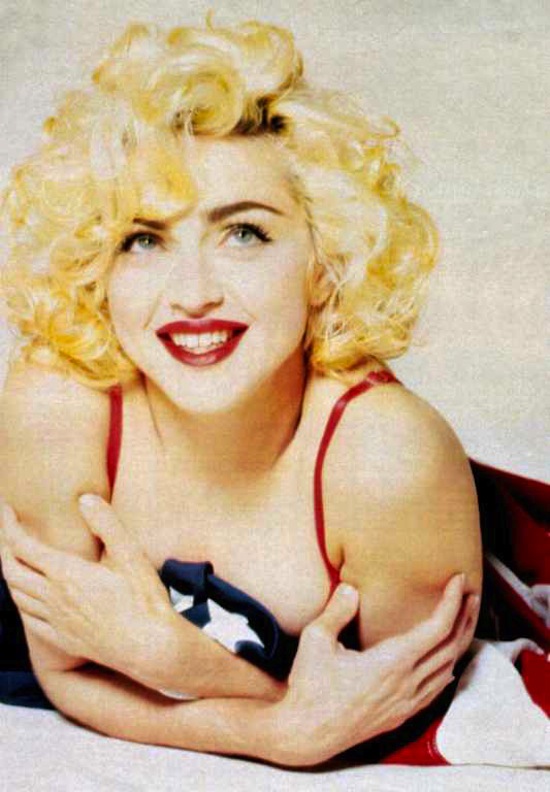
The most jaw-dropping outfit was Madonna’s. At the time, the Queen of Pop boasted a Marilyn Monroe-style coif, and was snapping and singing with her backup dancers, all while wrapped in the American flag. (Underneath it, she wears red lingerie.) She sang the song “Vogue” but replaced the word with “Vote.” The off-the-cuff tune had the following lyrics: “Abe Lincoln, Jefferson Tom/They didn’t need the atomic bomb/We need beauty, we need art/We need government with a heart/Don’t give up your freedom of speech/Power to the people is in our reach.” (She also rapped: “If you don’t vote, you’re gonna get a spanking.”) The look was controversial and it drew criticism from Veterans of Foreign Wars for how Madonna draped herself in the flag. In response, her publicist noted: “It is essential that people should vote. She’s trying to get that message across in a humorous, dramatic way. But she’s very serious about the issue.”
As much controversy as the campaign may have caused, it was successful in getting young people to vote. At the time, according to a New York Times article from October 20, 1990, 10,000 college students from five California campuses registered to vote in the wake of the campaign. Since then, other campaigns have followed suit, like MTV’s “Choose or Lose”, which aired a clip of Madonna and Iggy Pop in 1996. The duo wore red and blue eyeshadow, and had “Choose or Lose” animated into their eyes. (Moss wore a dress dotted with “Choose or Lose” pins, including on cups that acted like pasties. Iggy Pop went shirtless with pin-dotted pants, and Flea of the Red Hot Chili Peppers made a cameo at the end in a pin-covered floppy hat.) Back in 2004, P. Diddy launched the “Citizen Change,” and released those iconic “Vote or Die” T-shirts, which were recently revamped by Pyer Moss.
The “Rock the Vote” visuals were groundbreaking and had that stellar free-for-all flair seen in other MTV-backed productions, like Sofia Coppola and Zoe Cassavetes’s Hi Octane.The aesthetic of the ’90s “Rock the Vote” campaigns are still making an artistic impact, too. Most recently, New York-based downtown director Dani Aphrodite, along with the organization Soft Power Vote, released the “Level Up” series, a nostalgic collection of videos that feature downtown New York’s favorite faces with messages to vote, all of which were heavily influenced by “Rock the Vote.” Turns out that while times have changed, the message and influence of “Rock the Vote” still stands and feels just as strong as it did since its inception 30 years ago.
President Donald Trump, 74, and Democratic challenger Joe Biden, 77, each have more than seven decades of personal and professional experience behind them.
Here is a selection of photos that span their lives.
The early years
IMAGE COPYRIGHTALAMY
image captionAn 18-year-old Donald Trump in his military school uniform, pictured in the New York Military Academy’s 1964 yearbook
Born in the wake of World War Two, in June 1946, Donald John Trump was the fourth child of New York real estate tycoon Fred Trump and Mary Anne MacLeod Trump. Despite the family’s wealth, he was expected to do the most menial jobs within his father’s company and was sent to a military academy at age 13 after he started misbehaving in school.
He attended the University of Pennsylvania and became the favourite to succeed his father in the family business after his older brother, Fred, opted to become a pilot.
IMAGE COPYRIGHTALAMY
image captionJoe Biden, aged 25, in 1967
Joseph Robinette Biden Jr was born in Scranton, Pennsylvania in 1942. He was the first of four children, in an Irish-American Catholic family. Young Joe’s biggest challenge was overcoming a speech impediment – a stutter – that afflicted him well into high school. His technique of practising speaking in front of a mirror paid off after several months.
Mr Biden attended the University of Delaware and then law school at Syracuse University.
He later married his first wife, Neilia, and started his political career in Wilmington.
The 1970s
IMAGE COPYRIGHTGETTY IMAGES
image captionDonald Trump in 1976
Mr Trump says he got into the property business with a “small” $1m loan from his father, before joining Fred Trump’s company. There, he helped manage an extensive portfolio of residential housing estates in New York City, eventually taking control of the company. In 1971, he renamed it the Trump Organization.
Six years later, Donald Trump married his first wife, Ivana Zelnickova, a Czech athlete and model. His children from his first marriage – Donald Jr, Ivanka and Eric – now help run Trump Organization, though he is still chief executive.
IMAGE COPYRIGHTGETTY IMAGES
image captionSenator-elect Joe Biden takes the oath of office in hospital, with his father-in-law Robert Hunter looking on, and recovering son Beau Biden
Joe Biden was eagerly waiting to take up his seat in the US Senate, having been elected in 1972, when tragedy struck. His wife and infant daughter Naomi were killed in a car accident. His sons Beau and Hunter were seriously injured.
Mr Biden famously took the oath of office for his first term as a Democratic Party senator from the hospital room of his toddler sons.
The 1980s
IMAGE COPYRIGHTJOE MCNALLY / GETTY IMAGES
image captionDonald Trump travels across New York City in his personal helicopter in August 1987
In the late 1970s Mr Trump stepped his ambitions up a gear, shifting his property focus from Brooklyn and Queens to glitzy Manhattan. After snapping up a rundown hotel and transforming it into the Grand Hyatt he built the most famous Trump property – the 68-storey Trump Tower on Fifth Avenue. It opened in 1983.
Other properties bearing the famous name followed – Trump Place, Trump World Tower, Trump International Hotel and Tower – and his powerful brand began to draw media interest.
But not everything he touched turned to gold. Mr Trump’s ventures have led to four business bankruptcy filings.
IMAGE COPYRIGHTARNIE SACHS / GETTY IMAGES
image captionSenator Biden with his wife Jill, at a press conference, announcing his withdrawal from the presidential race
During his first 14 years in Washington, Mr Biden rebuilt his personal life after the deaths of his wife and daughter. He committed to giving his sons a semblance of a normal life, and commuted each day from the family home in Delaware to Washington DC. He eventually remarried, to schoolteacher Jill Jacobs, with whom he had another child, Ashley.
Mr Biden established himself on the Senate Judiciary Committee, and began to build a national profile. In 1987, he launched his first go at the US presidency, but withdrew after he was accused of plagiarising a speech by the then leader of the British Labour Party, Neil Kinnock.
The 1990s
IMAGE COPYRIGHTGETTY IMAGES
image captionMr Trump attends a press conference for Miss USA and Miss Teen USA in New York, January 1999
Property alone was not enough for Mr Trump, who moved into the entertainment sector, snapping up a clutch of beauty pageants in 1996: Miss Universe, Miss USA, and Miss Teen USA. In his personal life, after splitting with Ivana he married actress Marla Maples in 1993.
They had a daughter, Tiffany, before divorcing in 1999 – the same year Mr Trump’s father died.
“My father was my inspiration,” Mr Trump said at the time.
IMAGE COPYRIGHTWALLY MCNAMEE/ GETTY IMAGES
image captionSenators Joe Biden and Ted Kennedy during the Clarence Thomas confirmation hearings
On 11 October 1991, the US public were glued to their TVs as Anita Hill, a law professor at the University of Oklahoma, testified before the Senate Judiciary Committee. The committee was holding a hearing into the nomination for the US Supreme Court of Clarence Thomas. Ms Hill alleged he had sexually harassed her on many occasions when they had both worked for the Reagan administration.
As chairman of the committee, Joe Biden led the hearing. His handling of Ms Hill’s evidence has long been criticised.
The hearing was conducted by an all-white, all-male panel, and several women apparently willing to back up Ms Hill’s account were not called by Mr Biden to testify.
Speaking in a TV interview in April 2019, Mr Biden said that he was “sorry for the way she got treated”.
The 2000s
IMAGE COPYRIGHTRON GALELLA / GETTY IMAGES
image captionDonald Trump and Melania Trump, then Melania Knauss, seen in 1998
In 2003, Mr Trump fronted a new reality TV show that played to his reputations as both a businessman and a media personality. Called The Apprentice. the programme featured contestants competing for a shot at a management job in Mr Trump’s commercial empire.
He hosted the show for 14 seasons, and claimed in a financial disclosure form that he had been paid a total of $213m by the network during the show’s run.
Meanwhile, in 2005, he married his current wife, Melania Knauss, a Yugoslavian-born model. The couple have one son, Barron William Trump.
IMAGE COPYRIGHTJOE RAEDLE / GETTY IMAGES
image captionJoe Biden speaks on stage after being introduced by Barack Obama as his vice-presidential running mate at an event in Springfield, Illinois
Mr Biden had another shot at the presidency in 2008 before dropping out. But while his campaign had failed to break through, he was to reappear later that year in a role that assured him international prominence. On 23 August 2008, Mr Obama introduced Joe Biden as his vice-presidential running mate.
It was a winning ticket and the pair eventually served two terms, establishing a close working relationship in which Mr Biden frequently called Mr Obama his “brother”.
The 2010s
IMAGE COPYRIGHTCARLOS BARRIA / REUTERS
image captionPresident Donald Trump points to his son Barron on inauguration day in Washington in 2017, with First Lady Melania
It was not until June 2015 that Mr Trump formally announced his entrance into the race for the White House. His campaign for the presidency was rocked by controversies, including the emergence of a recording from 2005 of him making lewd remarks about women, and claims, including from members of his own party, that he was not fit for office.
But he consistently told his army of supporters that he would defy the opinion polls, which mostly had him trailing his Democratic rival Hillary Clinton. He said his presidency would strike a blow against the political establishment and “drain the swamp” in Washington.
He took inspiration from the successful campaign to get Britain out of the European Union, saying he would pull off “Brexit times 10”. Despite almost all the predictions, Mr Trump was victorious in the 2016 election. He was inaugurated as the 45th US president on 20 January 2017.
IMAGE COPYRIGHTMICHAEL REYNOLDS / GETTY IMAGES
image captionBarack Obama and Joe Biden react as the prime minister of Ireland, Brian Cowen, speaks during the annual St Patrick’s Day Reception in the White House in 2010
In a surprise ceremony in the final days of his presidency, Mr Obama awarded Mr Biden the Presidential Medal of Freedom – the nation’s highest civilian honour.
“To know Joe Biden is to know love without pretence, services without self-regard and to live life fully,” the then president said.
It had been a successful partnership, but a period not without trauma for Mr Biden, whose son Beau died of brain cancer in 2015 at the age of 46. The younger Biden was seen as a rising star of US politics and had intended to run for Delaware state governor in 2016.
2020
IMAGE COPYRIGHTWIN MCNAMEE / GETTY IMAGES
image captionPresident Donald Trump removes his mask upon return to the White House from Walter Reed National Military Medical Center on 5 October, after spending three days hospitalised for coronavirus
Mr Trump’s re-election campaign has been conducted against the backdrop of the coronavirus pandemic, in which 230,000 Americans have died, and seen the president himself become infected. First Lady Melania Trump and their son Barron caught the virus too, along with a number of staff at the White House.
In the days before the election on 3 November, Trump urged states to shun lockdowns, whilst continuing his schedule of rallies in battleground states.
IMAGE COPYRIGHTROBERTO SCHMIDT / GETTY IMAGES
image captionJoe Biden speaks to the press at the Erie International Airport in Pennsylvania before returning to Delaware on 10 October
The two presidential rivals’ divisions over the coronavirus have been deep, with Mr Biden having said the president’s handling of the worsening coronavirus crisis was an “insult” to its victims.
“Even if I win, it’s going to take a lot of hard work to end this pandemic,” he said. “I do promise this – we will start on day one doing the right things.”
More than 90 million Americans have voted early, many of them by post, in a record-breaking voting surge driven by the pandemic.
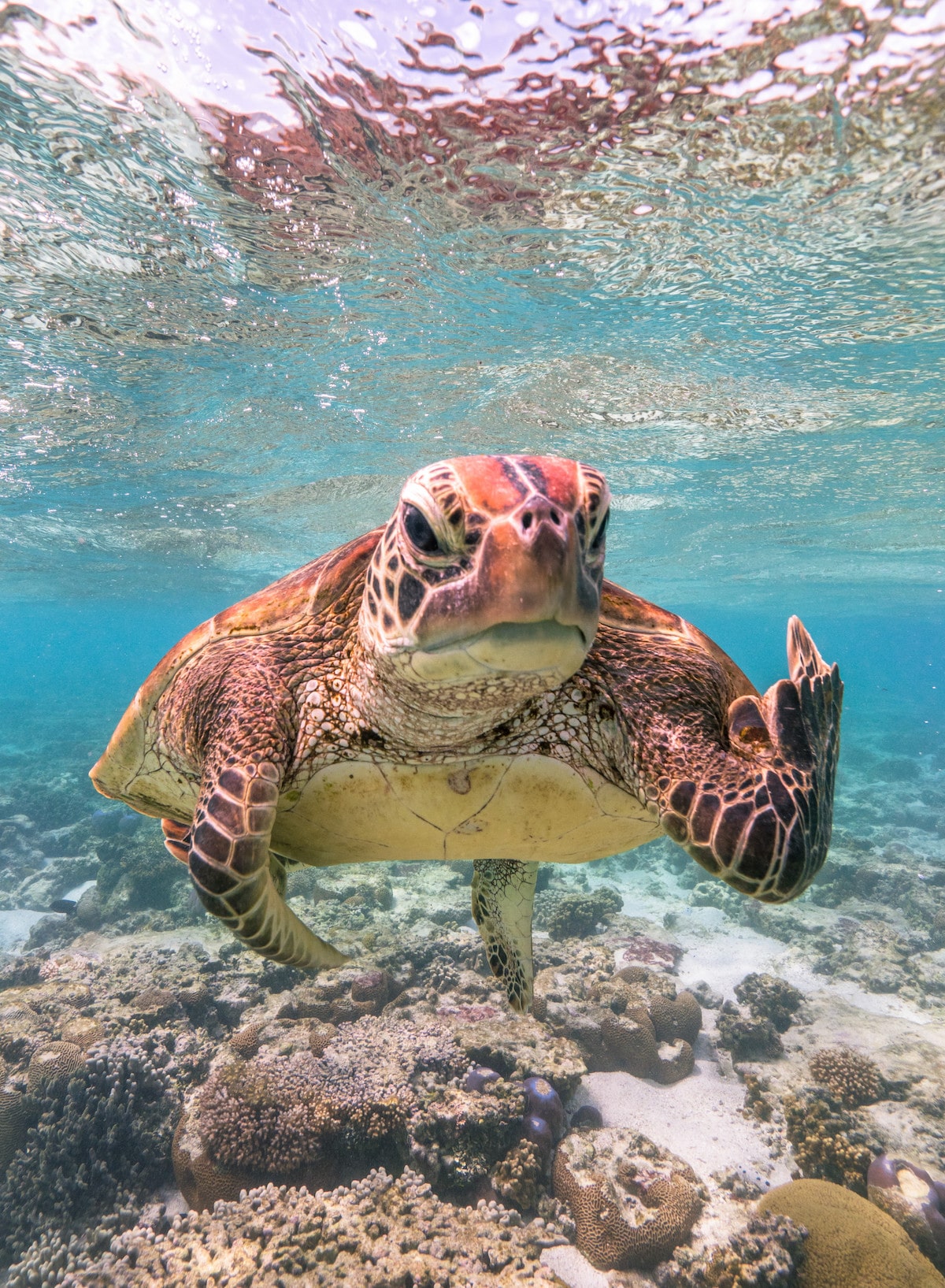
Could you use a good laugh? You’re in luck because there are lots of laughs to be had when looking at the winners of the 2020 Comedy Wildlife Photo Awards. With over 7,000 entries from photographers around the world, it wasn’t an easy decision to narrow the field to a winner. But in the end, it was a photo of a sassy turtle that helped photographer Mark Fitzpatrick win the top award.
It was a case of being in the right place at the right time for Fitzpatrick. The Australian photographer was swimming with turtles off Lady Elliot Island in Queensland when he happened to catch one giving him the middle finger. It’s a hilarious moment that makes you wonder how Fitzpatrick was able to maintain his composure and take the photo.
“It’s been amazing to see the reaction to my photo of Terry the Turtle flipping the bird, with Terry giving people a laugh in what has been a difficult year for many, as well as helping spread an important conservation message,” shares Fitzpatrick. “Hopefully Terry the Turtle can encourage more people to take a moment and think about how much our incredible wildlife depend on us and what we can do to help them. Flippers crossed that this award puts Terry in a better mood the next time I see him at Lady Elliot Island!”
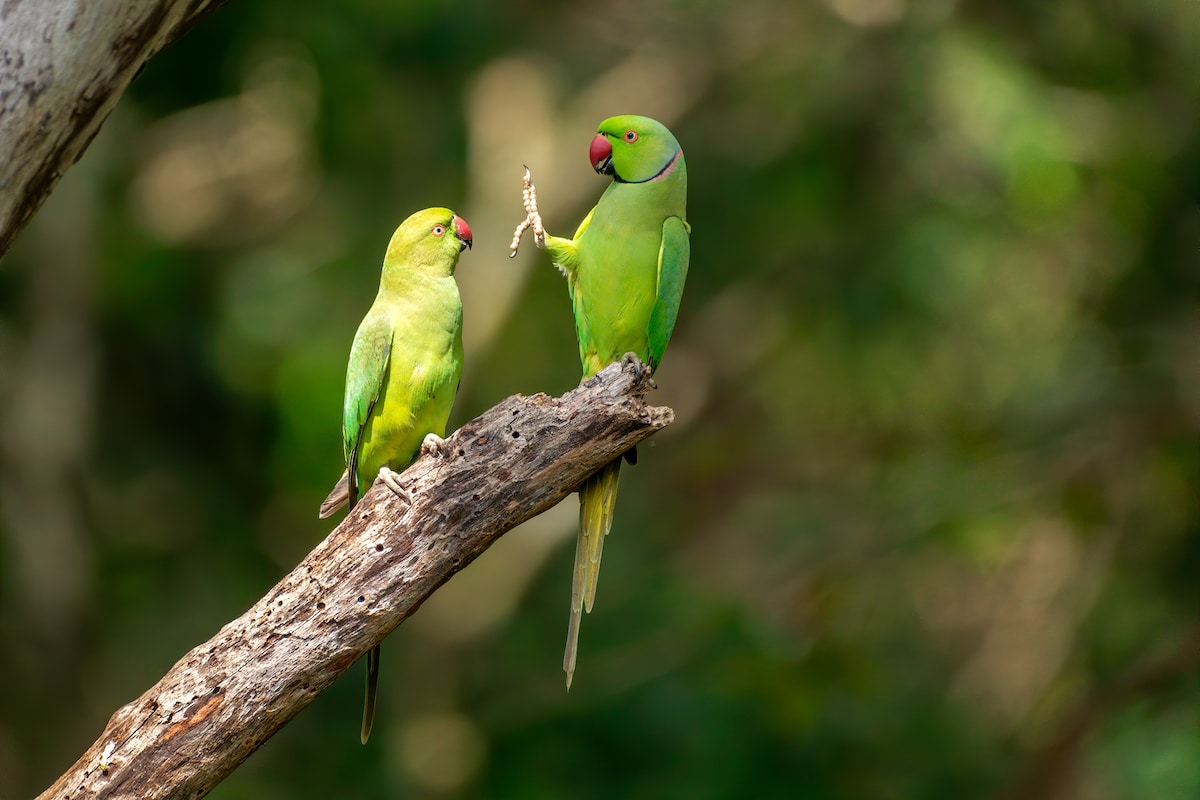
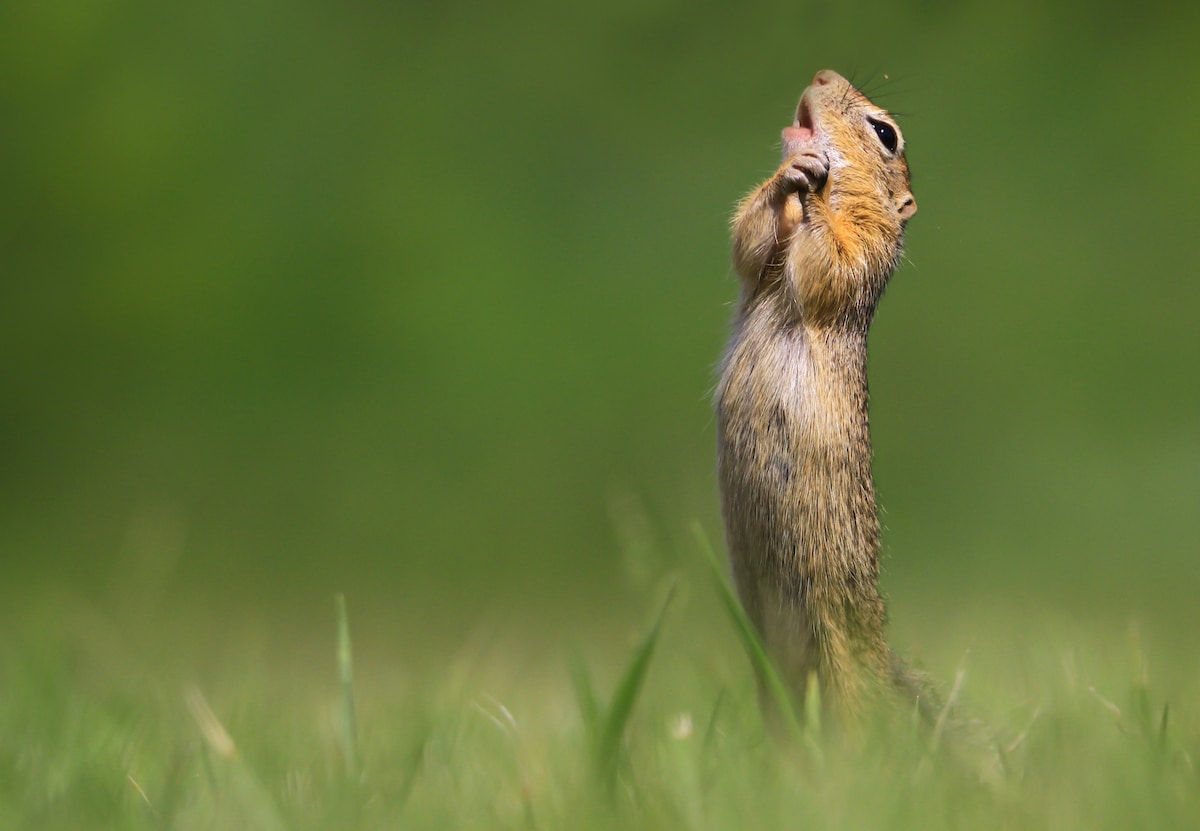
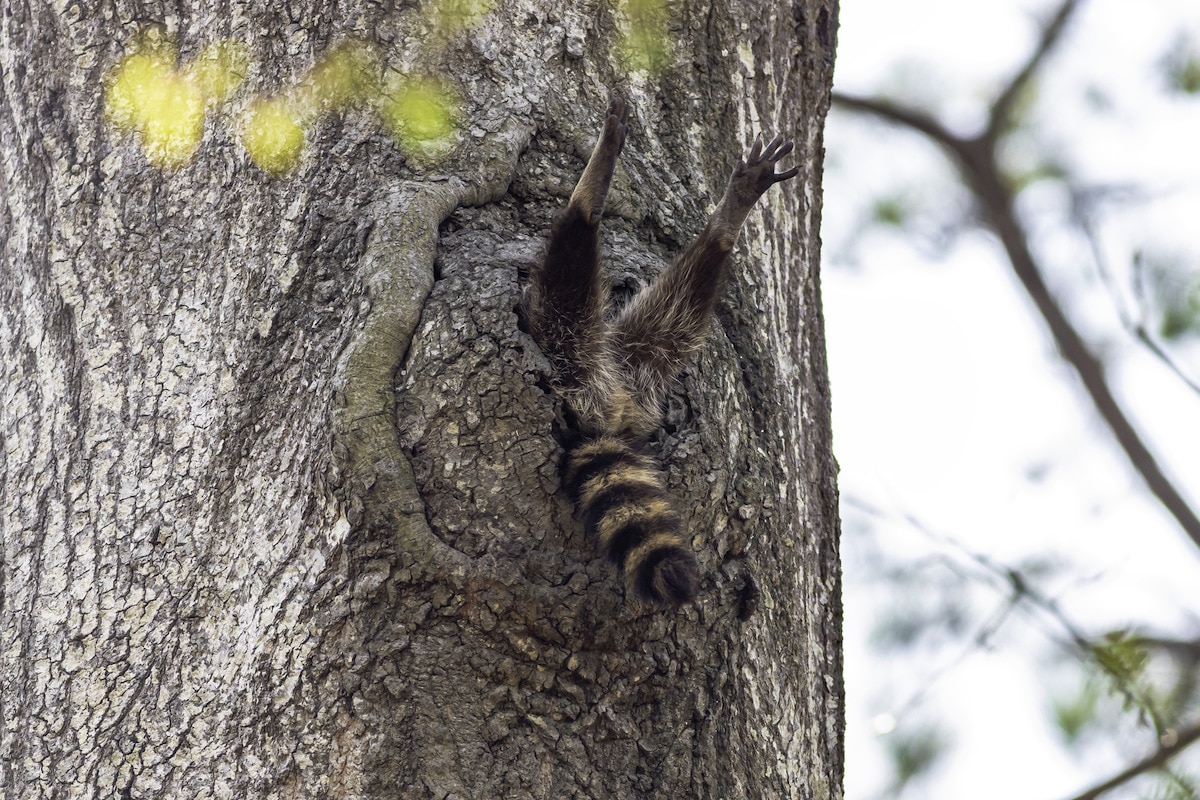
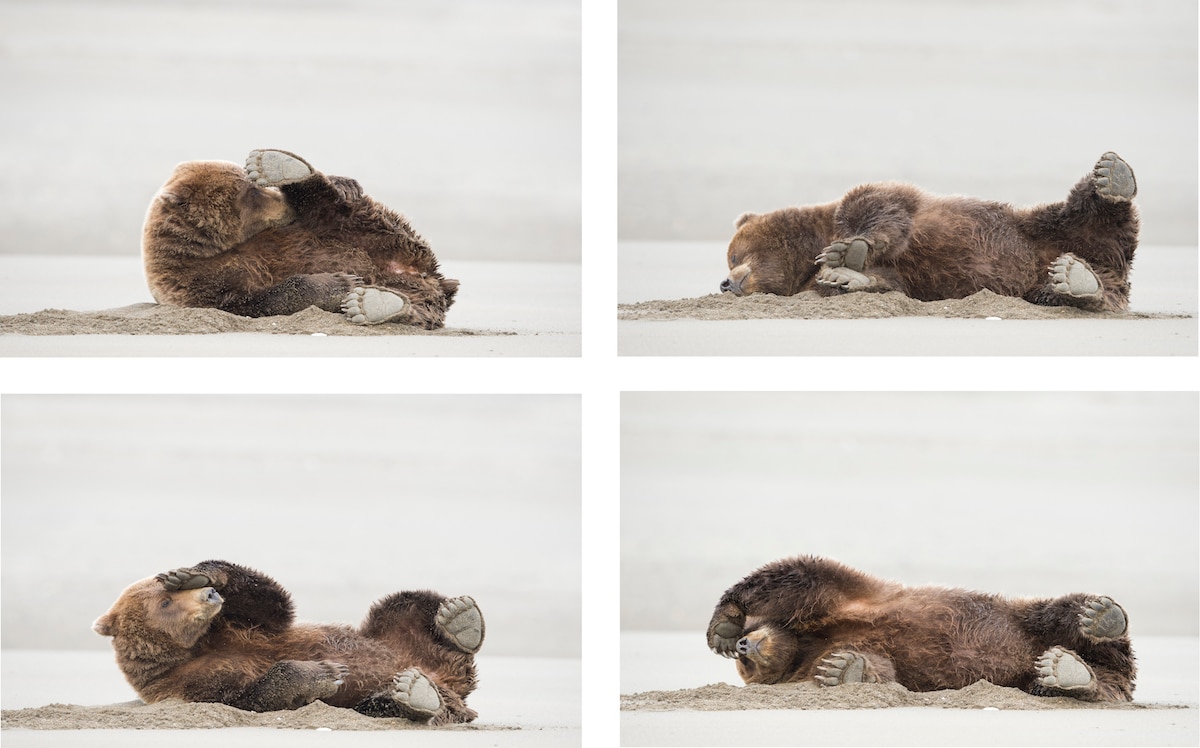
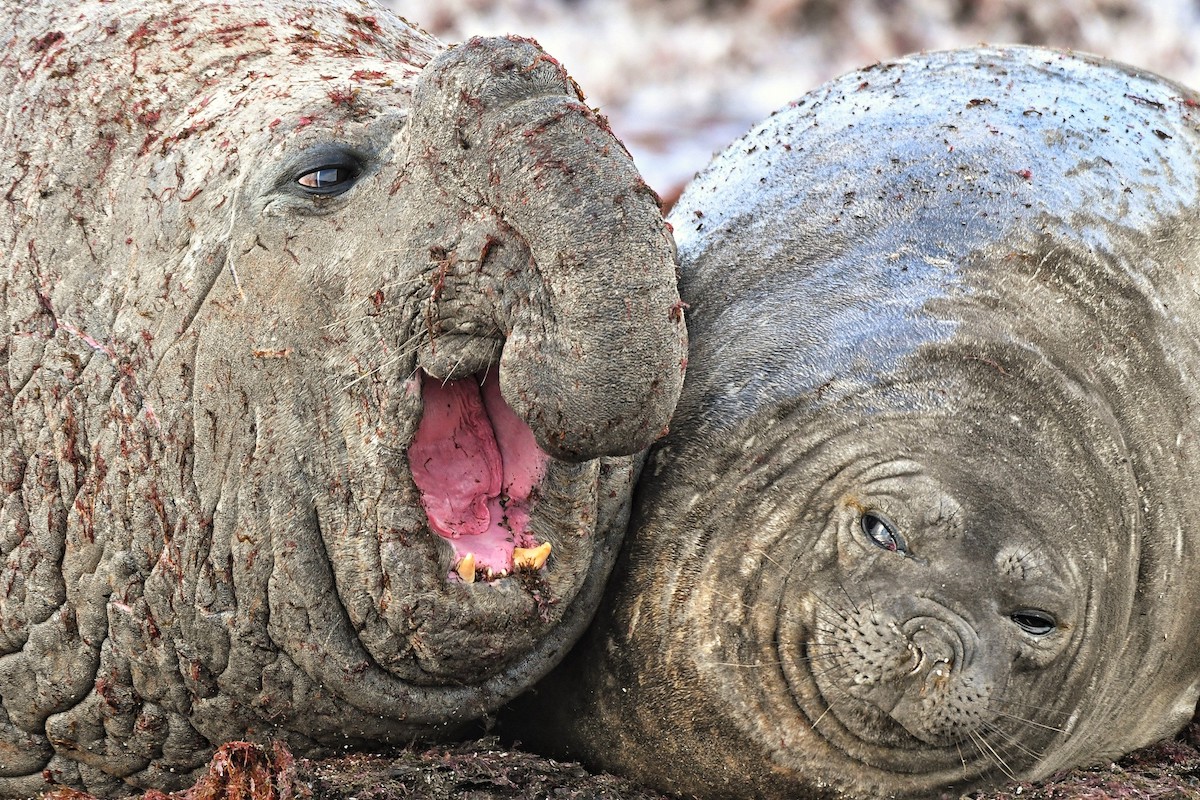
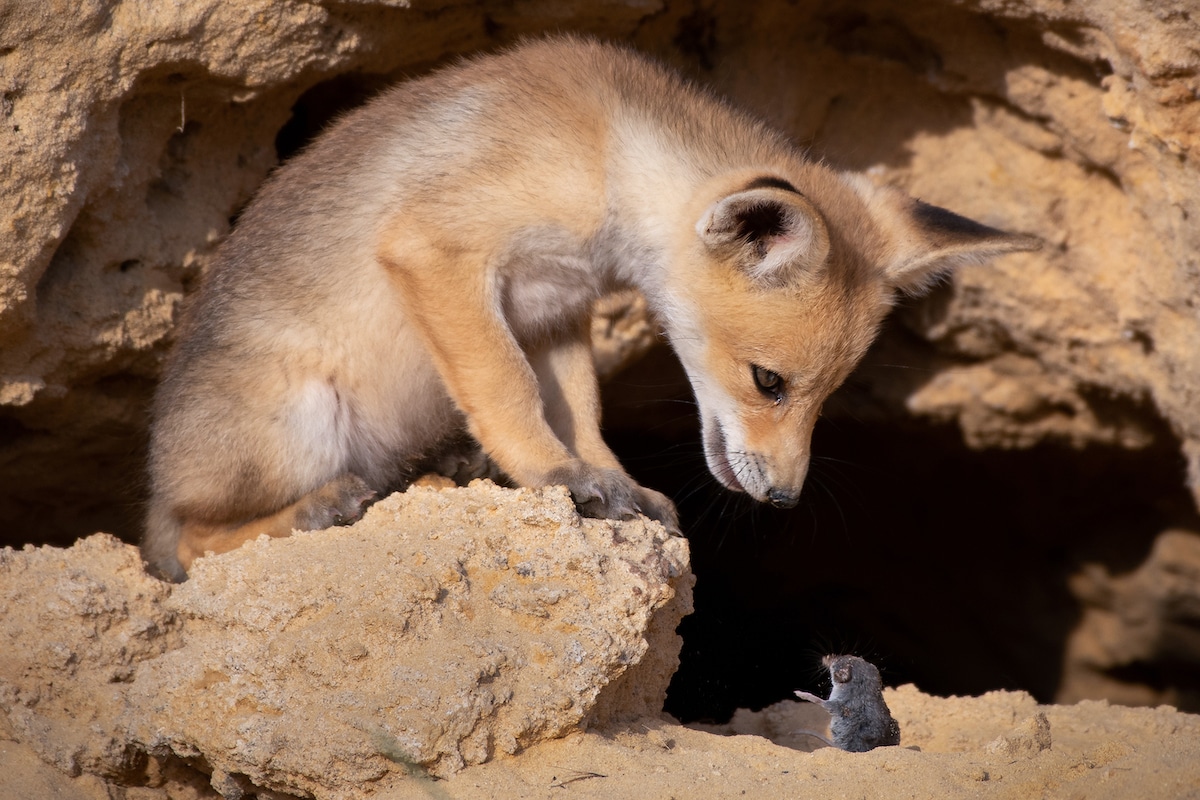
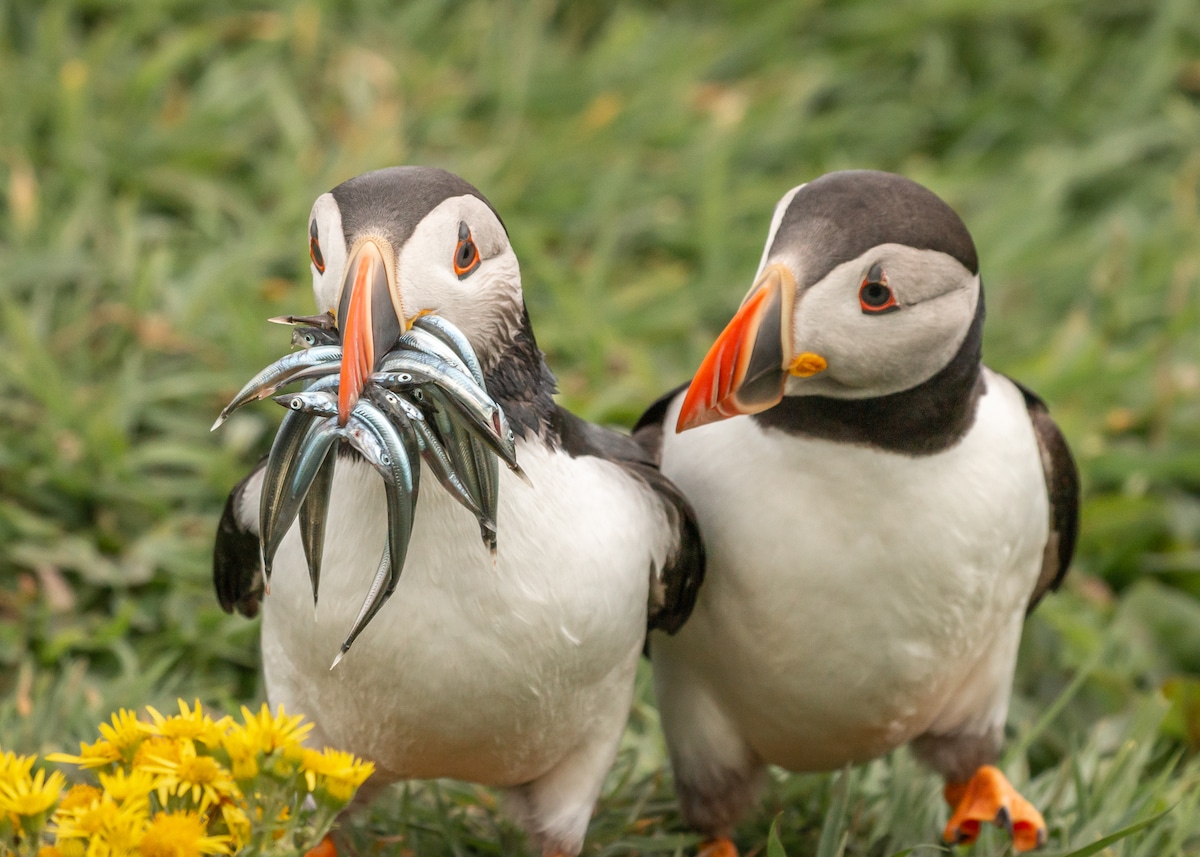
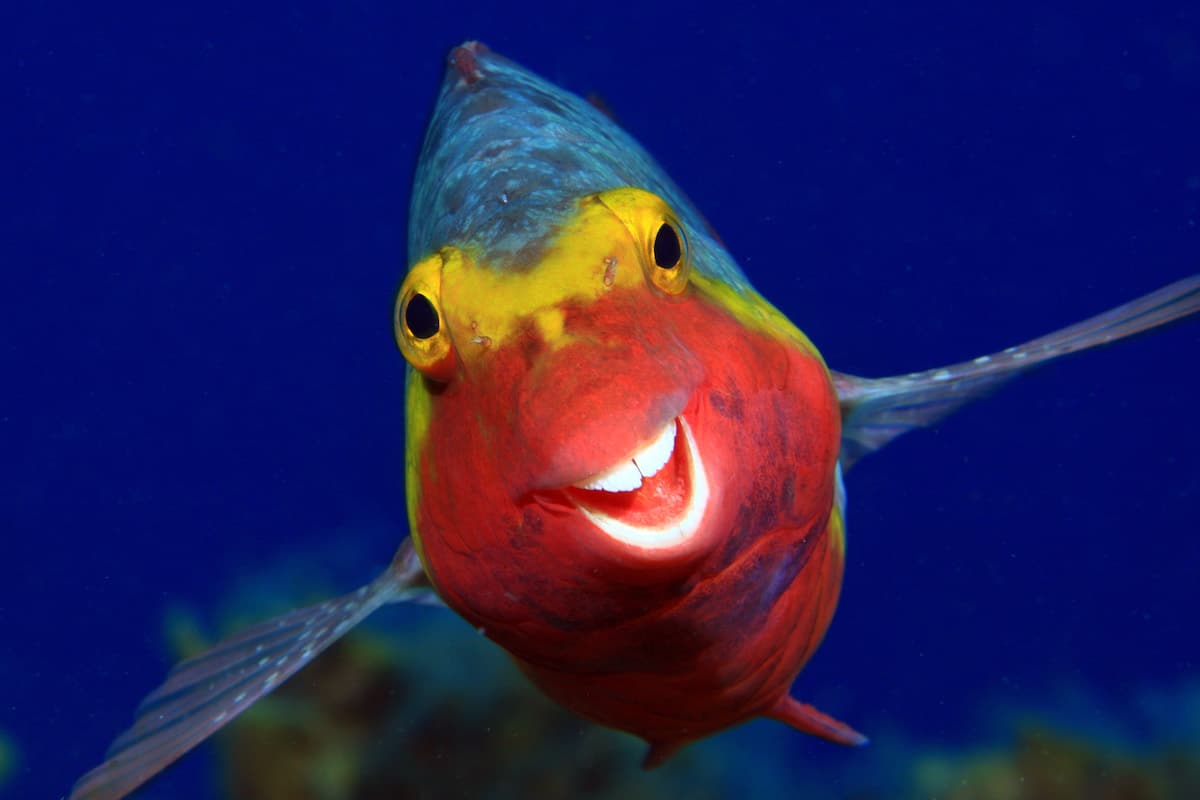
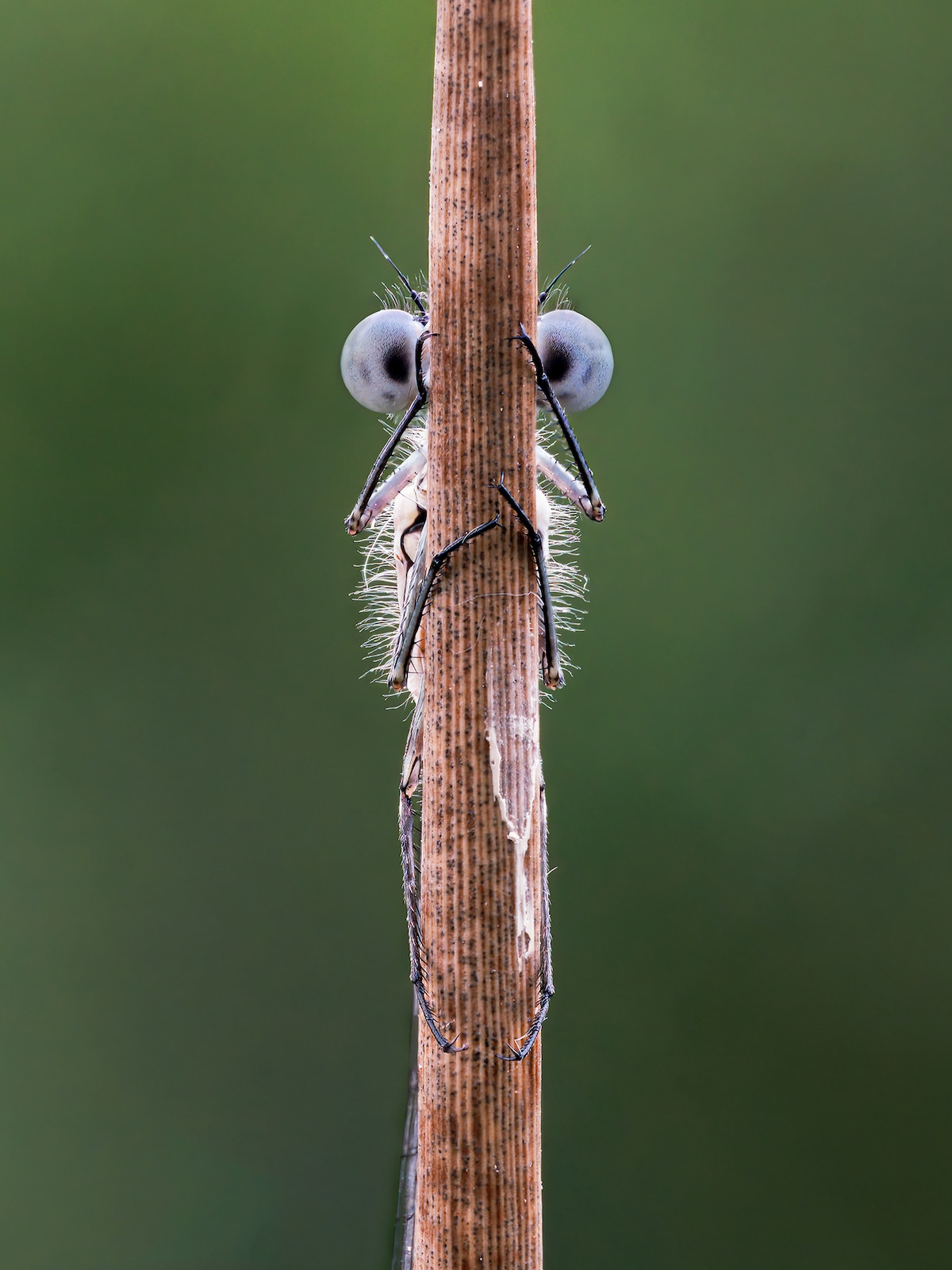
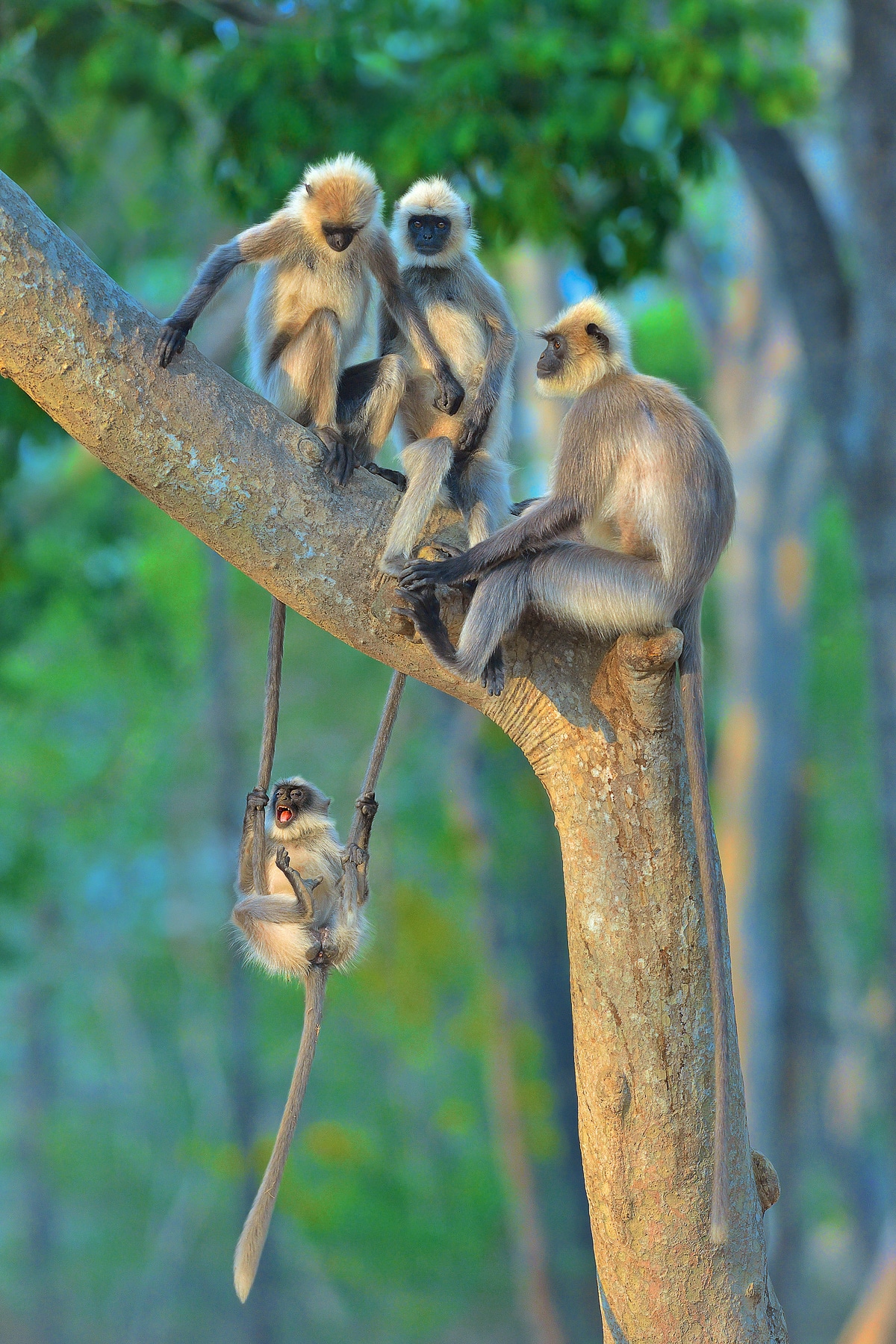
Other category winners include a raccoon half stuck inside a tree (bottom side out), a spermophile singing a tune, and a brown bear knocked out by its own gas. Aside from giving us a good chuckle, the photographs remind us of how special our wildlife is, and that we need to continue to protect it at all costs.
If you’re looking for a laugh, check out the winners of the Comedy Wildlife Photo Awards.
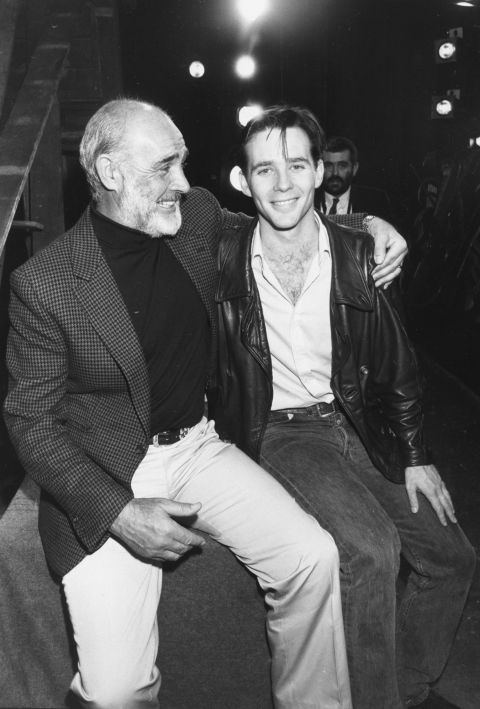
Legendary screen actor Sean Connery, who put a face to the equally legendary character James Bond, has died, according to his publicist.
Connery was best known for his role as the swaggering, lady-loving British spy James Bond, a role he played in seven movies, including “Dr. No” and “Goldfinger.” The Edinburgh-born actor, who was a staunch supporter of Scottish independence, also brought to life characters in films such as “Indiana Jones and the Last Crusade,” “The Untouchables” and “The Rock.”
He was 90 years old.
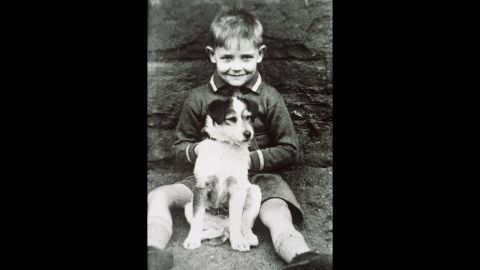
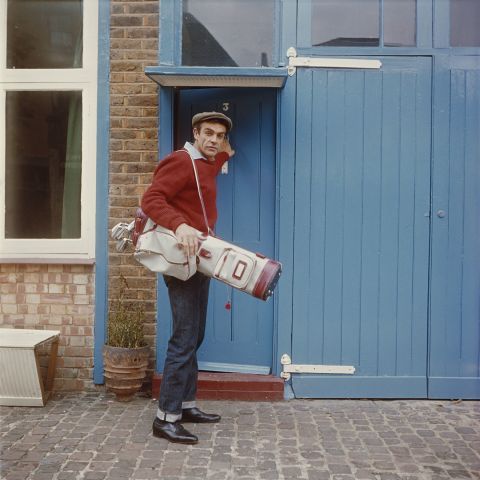
A young Connery poses with a dog. He was born into a working-class family in Edinburgh.
REX/Shutterstock
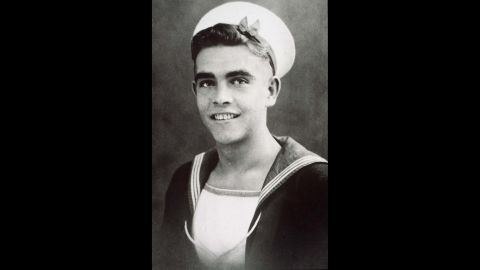
A young Connery poses for a photo. He quit school in his early teens and enlisted in the military.
REX/Shutterstock
Connery, number 24 in center, competes in a bodybuilder beauty contest in the 1950s.
ullstein bild/Getty Images
Connery is seen with his wife, Diane Cilento, on their honeymoon near Marbella, Spain, in December 1962.
Mirrorpix/Mirrorpix/Getty Images
Connery poses for a photo in 1962, the year he would first play James Bond.
Chris Ware/Keystone/Getty Images
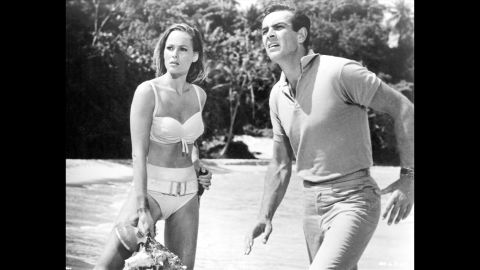
Ursula Andress and Connery perform in a scene from “Dr. No,” Connery’s first film as James Bond.
Michael Ochs Archives/Moviepix/Getty Images
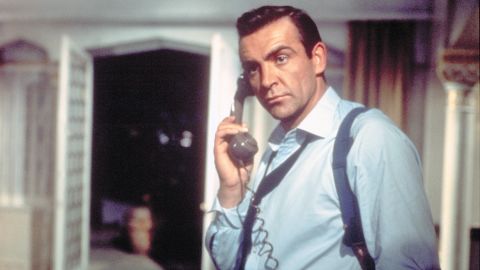
Connery on the set of “From Russia with Love.”
Sunset Boulevard/Corbis Historical/Getty Images
Connery poses as James Bond next to his Aston Martin DB5 in a scene from “Goldfinger” in 1964. Bond is often seen in the movies driving the car at high speed.
Donaldson Collection/Moviepix/Getty Images
Claudine Auger and Connery in a scene from “Thunderball.” Connery’s attractive female co-stars in the series became known as “Bond girls.”
Courtesy Everett Collection
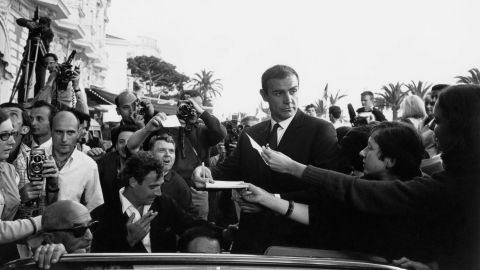
Connery signs autographs at the Cannes Film Festival in France in 1965.
DALMAS/SIPA/AP
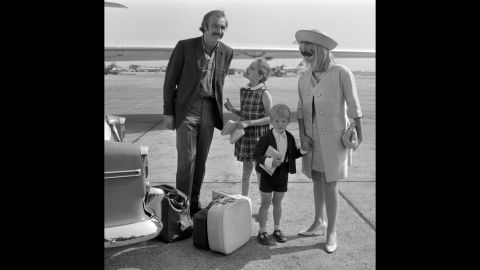
Connery travels with his actress-wife, Diane Cilento, and their children Gigi and Jason in 1967.
PA Images/Getty Images
Anthony Costello and Connery on set of “The Molly Maguires” in 1970.
Michael Ochs Archives/Moviepix/Getty Images
Connery rehearses a scene in the 1971 Bond film “Diamonds Are Forever.”
Terry O’Neill/Getty Images
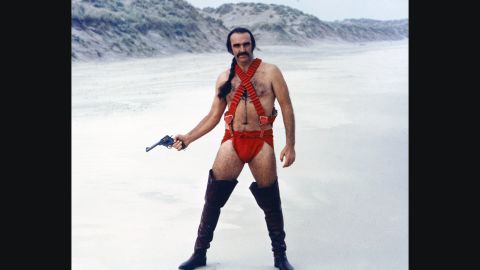
Connery poses for a publicity photo for the film “Zardoz” in 1974.
Silver Screen Collection/Moviepix/Getty Images
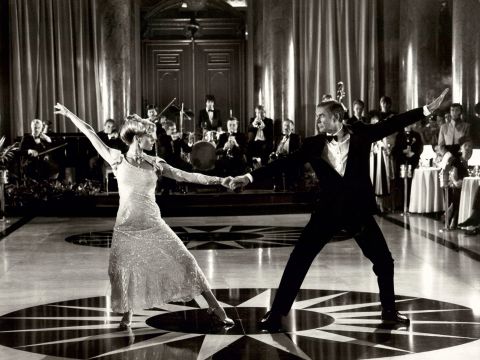
Connery dances with Kim Basinger in a scene from the 1983 film “Never Say Never Again,” his last film as Bond.
Stanley Bielecki Movie Collection/Getty Images
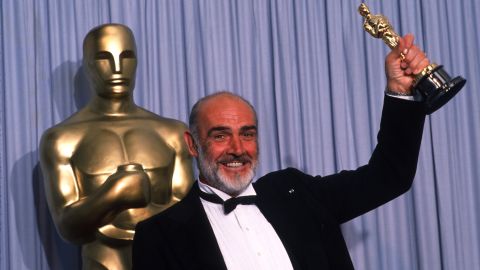
Connery holds up his Oscar for Best Actor in a Supporting Role for “The Untouchables” at the 1988 Academy Awards.
John T. Barr/Liaison/Getty Images
Connery and his son, Jason, are seen on the set of the play “Journey’s End” in 1988.
Dave Hogan/Getty Images
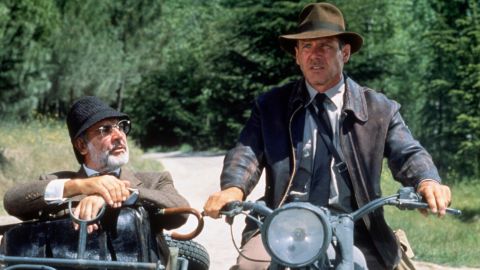
Harrison Ford and Connery during a scene from “Indiana Jones and the Last Crusade” in 1989. Connery played Jones’ father as a man who competed with his son for everything — including women.
Murray Close/Moviepix/Getty Images
Connery and his second wife, Micheline Roquebrune, attend a premiere in London.
Georges De Keerle/Hulton Archive/Getty Images
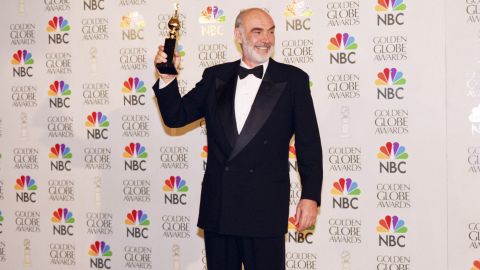
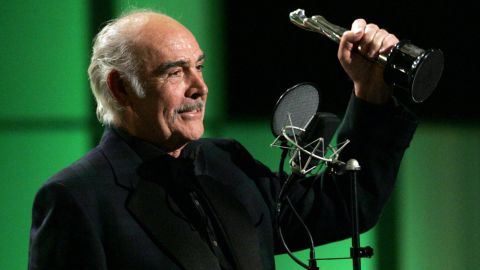
Connery holds up his Cecile B. DeMille Award during the Golden Globe Awards in 1996.
Joseph Del Valle/NBCU Photo Bank/Getty Images
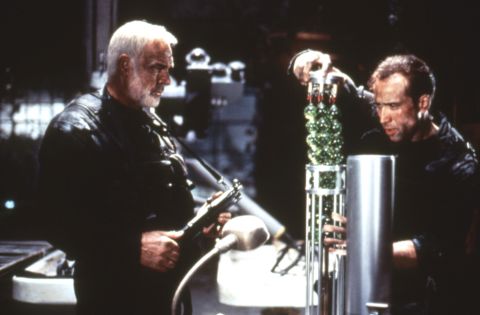
Connery in a scene with Nicolas Cage from the 1996 film “The Rock.”
Buena Vista Pictures/Everett Collection
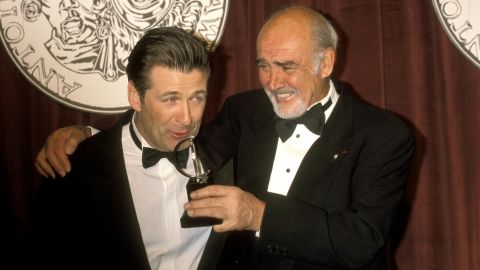
Alec Baldwin and Connery pose for photos during the Tony Awards in 1998.
Ron Galella/WireImage/Getty Imaged
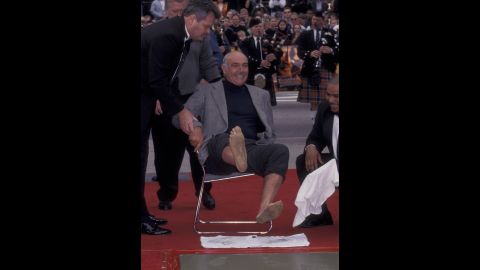
Connery shows his feet to the crowd on the Hollywood Walk of Fame during his Hand and Footprint Ceremony at the Mann Chinese Theater in Hollywood in 1999.
Ron Galella, Ltd./WireImage/Getty Images
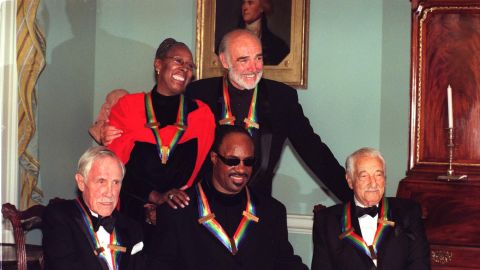
Sean Connery was among the Kennedy Center Honorees in 1999. From top left, clockwise: Judith Jamison, Connery, Victor Borge, Stevie Wonder and Jason Robards, as they pose following a dinner.
NESHAN NALTCHAYAN/AFP/Getty Images
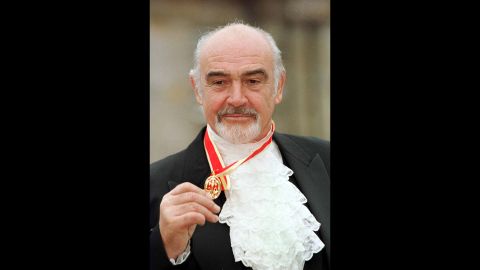
Connery poses for photos in full Highland dress along with his medal after he was formally knighted by the Queen in 2000.
Ken Goff/The LIFE Images Collection/Getty Images
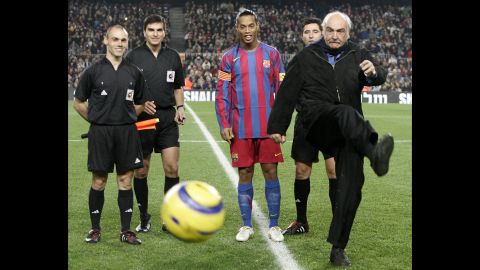
Connery takes a ceremonial kick off during a “Match for Peace” in Barcelona, Spain, in 2005. FC Barcelona played a team comprising Israeli and Palestinian players to support efforts to end the conflict between the countries.
MANU FERNANDEZ/AP
Connery receives the European Film Academy’s lifetime achievement award in 2005.
DB Marcus Brandt/dpa/picture-alliance/AP
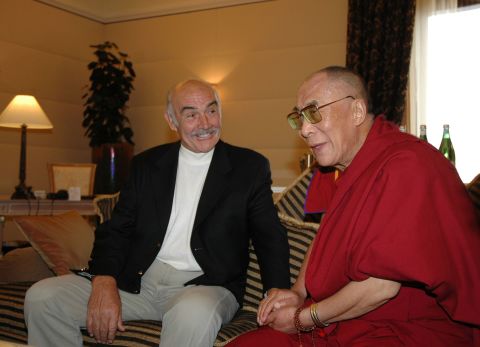
Connery meets with the Dalai Lama in Italy in 2006. The actor’s appeal, partly due to the name recognition of his signature character, made him a global figure.
Angelo Palma/A3/Contrasto/Redux
Connery promotes his new book “Being a Scot” at the Edinburgh International Book Festival in 2008. Connery was a staunch supporter of Scottish independence.
Ed Jones/AFP/Getty Images
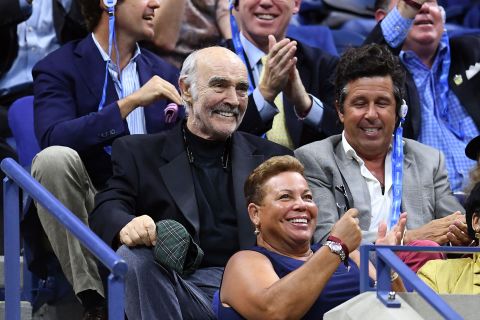
Connery watches a tennis match during the US Open in 2017.
Dharavi contained Covid-19 against all the odds. Now its people need to survive an economic catastrophe.
From Bloomberg Businessweek/By Ari Altstedter and Dhwani Pandya
Photographs and Video by Zishaan A Latif
Normally, Khwaja Qureshi’s recycling facility in Dharavi, the slum in Mumbai, would be no place for three newborn tabby kittens. Before efforts to contain the novel coronavirus idled much of the Indian economy, the 350-square-foot concrete room was a hive of nonstop industry. Five workers were there 12 hours a day, seven days a week, dumping crushed water bottles, broken television casings, and discarded lunchboxes into a roaring iron shredder, then loading the resulting mix of plastic into jute sacks for sale to manufacturers. But during a recent visit, the shredder was silent and the workers gone, decamped to their villages in India’s north. That left the kittens plenty of space to gambol across the bare floor, nap on a comfortable cardboard box, or be amused by the neighborhood kids who came to visit.
Qureshi, a stout, thick-fingered man of 43 whose father founded the operation, mostly ignored his feline workplace companions. He’d been spending his days sitting on a plastic chair, drinking cup after cup of milk tea and chatting with other Dharavi entrepreneurs, all of them part of Mumbai’s fearsomely efficient but completely informal recycling industry, who stopped by to talk business. The consensus was pessimistic. India’s economy is in an historic slump, and less economic activity means fewer things being thrown away—and also less demand to make new products from the old. No one had much hope that things would pick up soon.
▲ Khwaja Qureshi is waiting for his employees to return.
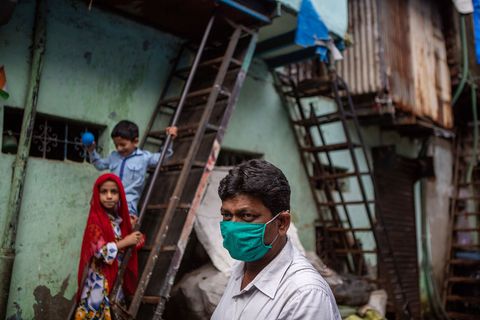
The irony is that Dharavi, which has a population of about 1 million and is probably the most densely packed human settlement on Earth, has largely contained the coronavirus. Thanks to an aggressive response by local officials and the active participation of residents, the slum has gone from what looked like an out-of-control outbreak in April and May to a late-September average of 1.3 cases per day for every 100,000 residents, compared with about 7 per 100,000 in Portugal. That success has made Dharavi an unlikely role model, its methods copied by epidemiologists elsewhere and singled out for praise by the World Health Organization. It’s also a remarkable contrast to the disaster unfolding in the rest of India. The country has recorded more than 6.5 million confirmed cases—putting it on track to soon overtake the U.S.—and over 103,000 deaths.
Dharavi’s economic calamity, however, may be just getting started. Its maze of tarpaulin tents and illegally built tenements and workshops have traditionally served as a commercial engine for all of Mumbai, a frenetic crossroads of exchange and entrepreneurship at the heart of India’s financial capital. Before the pandemic, it generated more than $1 billion a year in activity, providing a base for industries from pottery and leather-tanning to recycling and the garment trade. Deprivation abounded, but Dharavi could also be a social accelerator, allowing the poorest to begin their long climb to greater prosperity—and to joining the consumer class that powers the $3 trillion Indian economy. Qureshi’s own family is a case in point. His father was born in the hinterland to a poor tenant farmer but moved to Dharavi to work in a textile factory, getting into the recycling business after he realized the value of the plastic packaging that new spools of thread arrived in.
▲ Kiran Dighavkar at an isolation center.
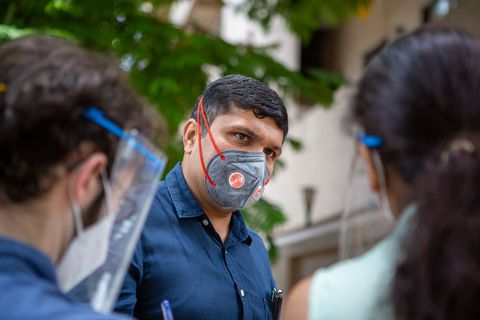
Led by an energetic municipal manager named Kiran Dighavkar, who was also in charge of the slum’s Covid-19 response, people in Dharavi are now trying to restart their economic lives without seeding new outbreaks. Their success or failure will be an important example for similar places around the world—areas that are home to as much as a sixth of the global population and which no government hoping for a durable recovery from the virus can afford to ignore. Whether in Nairobi’s Kibera or Rio de Janeiro’s hilltop favelas, slum economies are inextricably linked to the cities around them. In some countries their inhabitants account for 90% of the informal urban workforce—an army of construction laborers, small-time vendors, assembly-line helpers, and restaurant servers that developing world metropolises rely on to function. Those jobs are never easy, but they are often preferable to the monotony of rural poverty.
The challenge in Dharavi is to reclaim this vitality safely. “Now we have to live with this disease,” Dighavkar said in an interview at a temporary hospital, one of several he’d established to handle Covid-19 cases. “Dharavi is a hub of activity, and we cannot let it go.”
Dharavi’s modern history dates to the late 19th century, when Muslim tanners, looking for a place to practice their odoriferous trade outside the limits of British-run Bombay, built a rudimentary settlement nearby. By the 1930s it was attracting other migrants: potters from Gujarat, crafters of gold and silver embroidery from north India, and leather workers from the Tamil-speaking south, among many others. All added their own living quarters, building with whatever materials they could find, giving little notice to the fact they were, technically, squatting on government-owned land.
As the Raj gave way to independent India and Mumbai’s population swelled, the teeming slum eventually found itself not on the city’s fringe but near its geographic center. By then, many of its tents and huts had been replaced by structures of brick, concrete, and tile, arrayed around communal wells and powered by electricity from the municipal grid—even though almost no residents had formal land title. There were far too many of them to evict, or ignore, and in the 1970s, vote-seeking politicians began to make small improvements, such as public latrines. By the time the area played a starring role in 2008’s Slumdog Millionaire, soaring housing costs in the rest of Mumbai had even made it attractive to some white-collar workers looking for affordable, centrally located housing.
Meanwhile, Mumbai’s government had begun floating ideas for a redevelopment, one that would replace lopsided squatters’ homes with modern apartments and move factories and workshops into purpose-built quarters, probably elsewhere in the metropolis. But successive consultations, proposals, tenders, and visioning exercises failed to settle on any plan. That was due in part to opposition from residents, who pointed out that even if renovations brought better housing, their jobs might be relocated to distant industrial parks.
▲ International Footsteps’ workshop.
Dighavkar, who is 37 and a civil engineer by training, came to Dharavi with modest ambitions. Last year he was named assistant municipal commissioner for G Ward North, a swath of Mumbai that includes the slum. His previous posting was in the historic core, where his signature project had been the construction of a viewing platform in front of Chhatrapati Shivaji Terminus, an architecturally spectacular Victorian rail hub, that allowed tourists to snap photos without dashing into traffic. He also proudly took credit for building the city’s costliest public convenience, a $122,000 toilet complex on a busy seaside promenade.
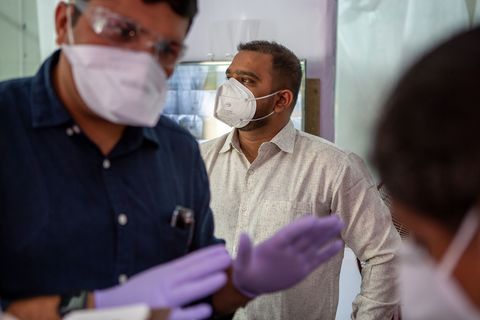
▲ Dr. Asad Khan (center) and Dighavkar at a field hospital.
With redevelopment plans in flux, Dighavkar’s superiors had little enthusiasm for putting significant money into Dharavi. So in his first months in his new role he focused on the middle-class neighborhoods at its edges, laying new sidewalks and making symbolic changes such as switching the figures on crosswalk signals from male to female.
Dharavi’s first coronavirus case was posthumous. In early April, a 56-year-old resident tested positive after he’d already died. There were only about 2,000 confirmed infections in India at the time, mostly traceable to international travel, and the news seemed to indicate a serious problem. A place with more people than San Francisco, crammed into an area smaller than Central Park, is hardly a promising environment for social distancing. As many as 80 people may share a single public toilet in Dharavi, and it’s not uncommon for a family of eight to occupy a 100-square-foot home. Infections were soon spreading rapidly, prompting the Mumbai government to impose draconian containment measures. Whole streets were sealed off behind checkpoints, with officers on patrol and camera-equipped drones buzzing overhead. With rare exceptions, no one could leave the area, not that there was anywhere to go: The rest of the city, and all of India, were locked down, too, though usually with much lighter enforcement.
But to Dighavkar, the impossibility of keeping slum residents in their homes quickly became evident. At the very least, people had to come out to use the toilet, to fill water bottles from public taps, and to collect food packets donated by charities. Gradually he and his colleagues developed a more precise approach. Rather than waiting for infected people to announce themselves, the government began dispatching teams of health-care workers to find them, going door to door asking about symptoms, offering free fever screenings, and administering tests to those likeliest to have the virus. They commandeered wedding halls, sports centers, and schools as isolation facilities to separate suspected cases from the rest of the population. Those who tested positive were sent to hospital wards that had been dedicated entirely to treating Covid-19, while contact tracers raced to locate people they’d spent time with.
Some were reluctant to cooperate. Many people in Dharavi work in unlicensed businesses that are in perpetual danger of being closed, and have good reasons to avoid contact with the authorities. But Dighavkar’s workers gradually won their trust, thanks in part to residents returning from quarantine telling of a comfortable stay and competent care. By July the number of new cases had declined to an average of 10 a day, compared with 45 per day in May, although the figure has since ticked modestly upward.
▲ Valli Ilaiyaraaja in her Dharavi home.
Some scientists have suggested the impressive numbers aren’t entirely the result of public-health measures. Antibody surveys over the summer found that almost 60% of the population in certain Mumbai slums had coronavirus antibodies, indicating that a degree of herd immunity could be at work. But even the most fatalistic virologists credit Dighavkar’s model with keeping mortality low, with some help from a youthful population. At just 270 confirmed deaths, Dharavi has one of the lowest Covid-19 fatality rates of any urban area in India, and methods developed there are now being rolled out across the country as the disease tears through smaller cities.
The apparent containment of the virus in Dharavi, or at least of its worst effects, didn’t spare its people economically. Many have had experiences like those of Valli Ilaiyaraaja, who used to work as a cleaner for three families in a neighborhood near the slum, and said none would allow her back even after the national lockdown ended in June. Their apartment buildings had banned entry to outside help, out of fear that cleaners and cooks would bring the virus with them. Similar policies remain in place across the city.
This has resulted in some inconvenience for Mumbai’s middle and upper classes—one local company had to suspend sales of dishwashers because of an overwhelming volume of orders. But it’s a financial catastrophe for people like Ilaiyaraaja. She and her three young daughters now depend entirely on her husband, who lost his job as a welder during the lockdown and is making just 100 rupees ($1.37) a day loading trucks. That’s not enough to pay for the cost of traveling to their home village in South India, where they could live rent-free, nor to cover school tuition for the girls. So the family is in limbo, waiting both for the economy to pick up and for the stigma attached to slum dwellers to fade. “We are fed up with this virus,” Ilaiyaraaja said in her tiny tenement apartment, two of her daughters sitting shyly by her side, “and with waiting for this nightmare to be over.”
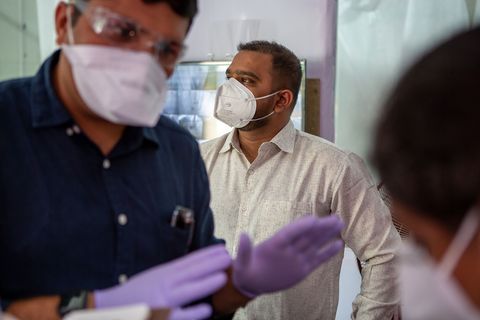
On a muggy summer day, seven anxious-looking people, all wearing masks, stepped off a minibus and into a large vinyl tent that had taken over a parking lot on Dharavi’s outskirts. The tent housed a 192-bed field hospital for Covid-19 cases and had been carefully designed to triage incoming patients without letting them spread the virus. Past the double doors the group entered a spacious holding area monitored by a thermal camera on a tripod. Just behind, in a sealed-off observation booth, Dr. Asad Khan issued instructions through a microphone while observing the camera feed on a monitor.
When the system detected a fever, the monitor was supposed to show a red box around a patient, while normal temperatures would prompt a green box. The trouble, though, was that all the boxes were green—not something a physician greeting confirmed coronavirus carriers would expect to see. This prompted Khan to query the new arrivals on why they’d been brought to his tent. A young man stepped forward as the group’s unofficial spokesperson, and after some back and forth, Khan learned that none of them had even been tested for the virus. They were contacts of positive cases and were supposed to have been taken to an isolation center, not the hospital. A few minutes later they climbed back into their vehicle and were driven away.
Dighavkar, watching from inside the booth, was pleased. A bus going to the wrong facility was a harmless mix-up, but letting seven potentially healthy people interact with infectious Covid-19 patients would have been a disaster. The thermal camera and Khan’s questioning had prevented that outcome—evidence, to Dighavkar, that the system was working. “This is our own invention,” he said of the camera-and-interview process. “This is the procedure. Contactless entry.”
▲ Dr. Khan screens patients.
He was conscious, though, that a system sufficient to contain the virus with the economy halted could be severely tested by the resumption of more activity. By July some parts of Dharavi were coming slowly back to life. Beggars had returned to intersections, though usually wearing masks as they shuffled from car to car. Fabric wholesalers had rolled up their steel shutters, while corner stores were again places for groups of local women to meet and chat.
What worried Dighavkar was the prospect of reopening factories—cramped, poorly ventilated places where laborers spend hours on end, elbow-to-elbow. “Once the factories start again, maybe we’ll get more cases,” he said in his office. In front of his broad wooden desk, someone had set up neat rows of chairs to allow subordinates to gather before him like students at an assembly. “We have to make sure safety measures are taken.” His most urgent priority was to get as much protective gear to workers as possible. The municipal government had been distributing masks, gloves, face shields, and sanitizer to factories for free, turning a blind eye to illegal operations in the hope that owners would accept help. Regardless of their official status, “we are here to take care of them,” Dighavkar said.
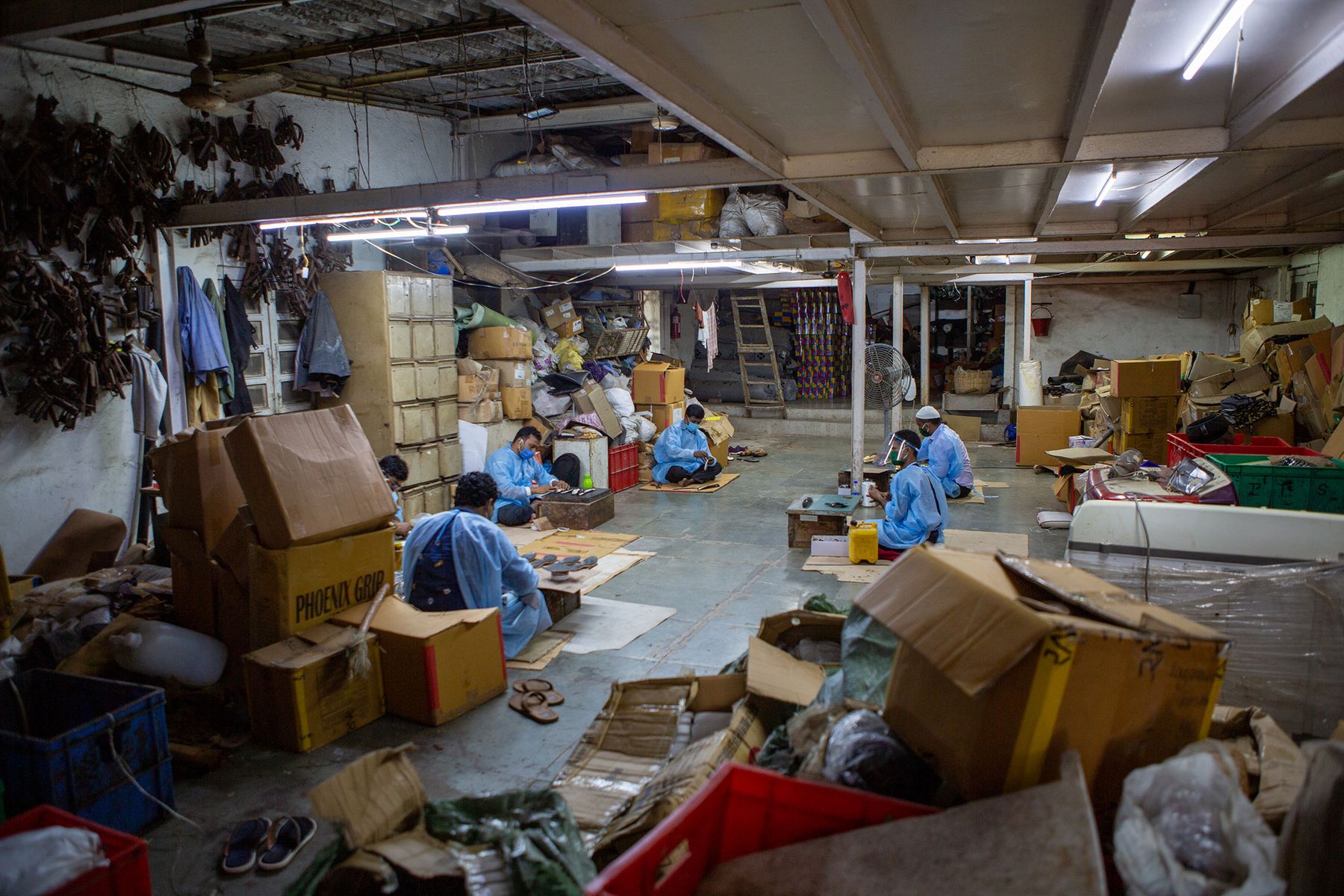
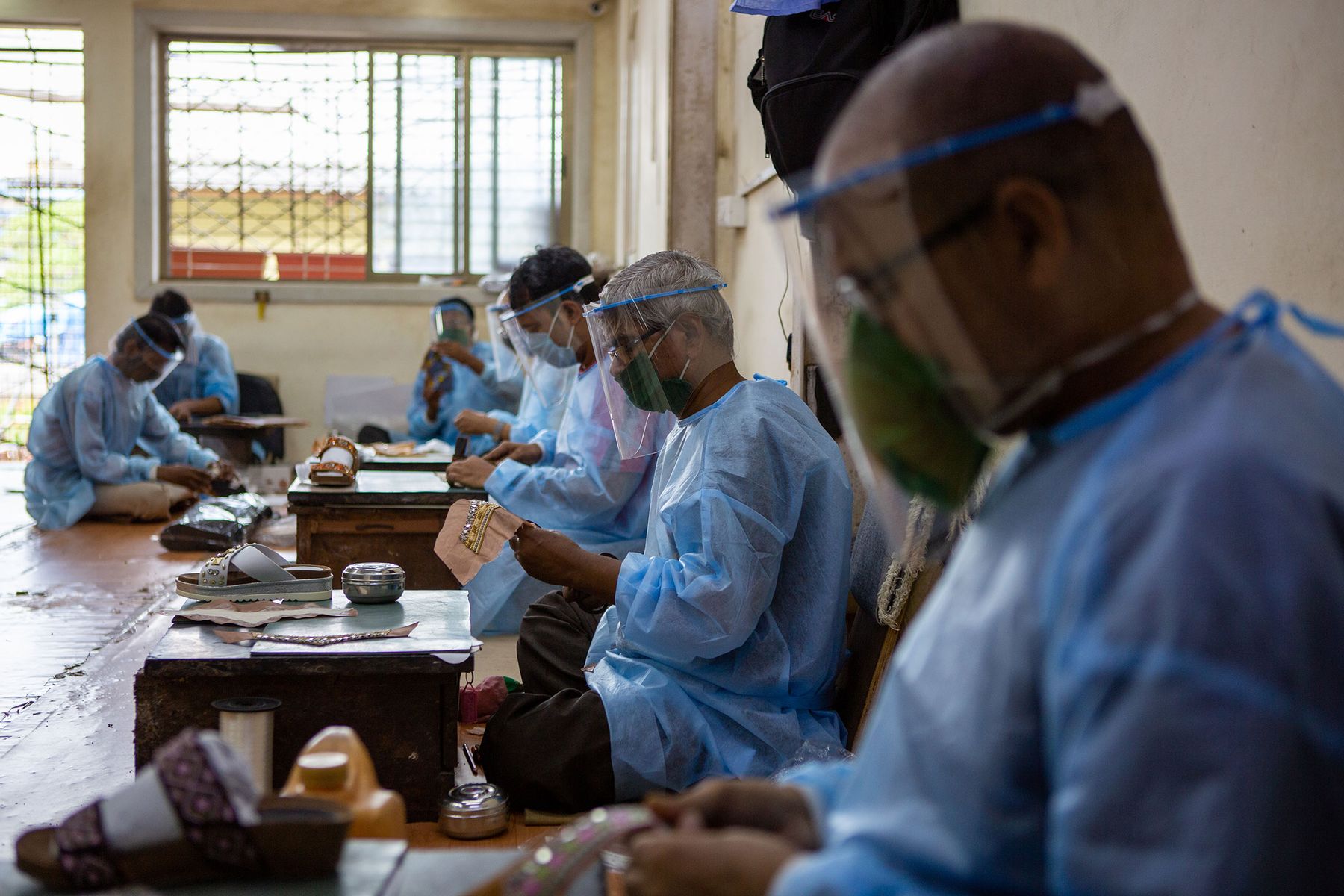
The future of Dharavi’s manufacturing sector may look like International Footsteps, a factory that makes sandals for Western mall brands such as Aldo. To get there, you must first turn off one of the slum’s raucous commercial drags and into a lane of decrepit buildings covered in tarps and corrugated steel sheets, which opens after a little while into something of a public square. There, if you skip between a puddle of foul water and a dead rat, then duck beneath a tangle of electrical wires, you’ll come to a dark, damp tunnel leading to what feels like a different world. In a pristine marble hallway, a multilingual sign asks visitors to apply some hand sanitizer from a dispenser on the wall. Just beyond is a bright workshop, where during a recent visit eight artisans sat cross-legged at workstations spaced about two feet apart—considerably less jammed-in than they would have been before this year. Managers had cleared out some upstairs storage space to allow more distance between each employee, and all of them were wearing disposable smocks, masks, and plastic face shields, purchased at the company’s expense. The protection raises costs, “but it’s required for the safety of everyone,” said floor manager Vijayanti Kewlani, who’d donned the same gear.
The problem, for International Footsteps as well as other businesses in Dharavi, is that “everyone” isn’t who it used to be. Only about two-thirds of the slum’s people are formal residents; the rest are rural migrants who traditionally slept on factory floors or shared rented rooms, returning to their hometowns a few times a year. But there was no government help to cover wages during the national lockdown, and it caused a severe crisis for these laborers. With snack bars and mess halls shut, even those who could afford food struggled to find enough to eat.
▲ Workers at International Footsteps.
Many had little choice but to go home, a journey that had to be made on foot, because the government had suspended train and bus services to contain infections. It was likely the country’s largest forced migration since Partition, the violent 1947 division of India and Pakistan—and had the unintended result of spreading the coronavirus deep into rural areas. With the global economic slump depressing activity in cities, a large proportion of the migrants have stayed in the countryside.
International Footsteps tried to keep connected with its workers, paying them 80% of their salaries for the first month of lockdown and 60% for the second. It also offered to cover the cost of transportation back to the city and is looking into securing more spacious housing—maybe even with the luxury of an attached toilet—for staff who return. But only 30% of its personnel have resumed their jobs, mostly Dharavi locals, leaving the company well short of the numbers it might need to fill large orders.
Suraj Ahmed was one of the few who’d come back—in his case from a small village in Uttar Pradesh. He couldn’t afford to live in the room he’d been sharing with two co-workers, because neither had yet returned. So the company was letting him stay on the premises for free, until he could find a more permanent arrangement. The visible precautions in the factory made him feel safer, Ahmed said as he attached a finely worked leather strap to the top of a new sandal, his wiry beard peeking out from under his mask. But he was more impressed with the 10% raise he’d received for coming back to work. “I have to earn a living,” he said.
Despite its absent workers and stepped-up protective measures, Dharavi could still provide an extremely hospitable environment for the virus—particularly if a rush of returning migrants reintroduces it at large scale. The only solution, Dighavkar says, is “screening, screening, screening,” an unrelenting effort to track down infected people and isolate them from the community. “It will be part of our continuous process from now on.”
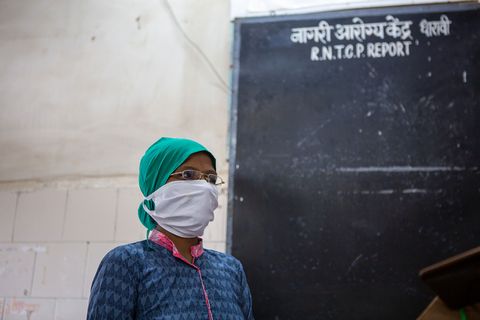
The front line of Dighavkar’s plan will be made up of women. His department has assembled an army of almost 6,000 health workers and volunteers, mainly from Dharavi itself, who’ve been given thermometers, pulse oximeters, and basic training in how to spot Covid-19. The idea is to send them house to house, day after day, in continuous sweeps of every part of the slum, and to keep doing it until the end of the pandemic. It’s a substantial commitment of resources, but the human and economic toll of a renewed outbreak would be far larger.
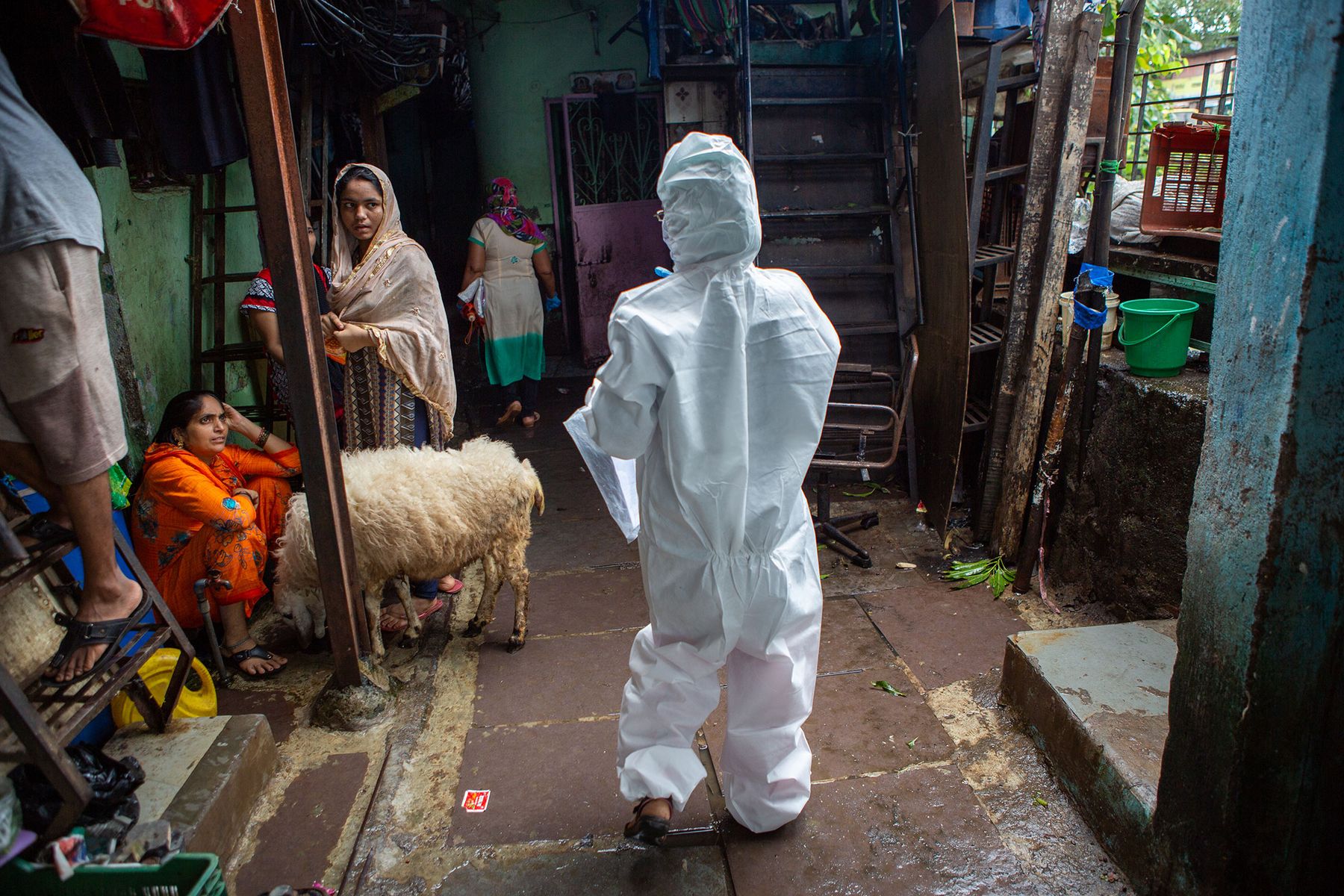
One morning in July, after one of the heaviest monsoon rainfalls Mumbai had seen in years, about a dozen of these women gathered at a public hospital to collect their addresses for the day and suit up in protective gear. Some undertook a tricky maneuver that involved pulling the hems of their saris up and back between their legs, tucking the fabric behind their waists, to step into the white coveralls they’d been issued. After drawing the hoods over their hair, they looked a little like snowmen.
▲ Bhoyar prepares to visit Dharavi residents.
Sunanda Bhoyar was more practically attired, in a block-print tunic over billowy pink trousers, and donned her suit with ease. She was one of the group’s few professionals, a registered nurse assigned to guide the less-experienced workers. She soon set off into the heart of Dharavi’s residential quarter, a warren of footpaths and alleyways often too narrow for a pair of people to walk abreast. There was almost no sunlight, the result of haphazard additions that had pushed the buildings on either side to structurally questionable heights.
Bhoyar knew the way and soon found what she was looking for: the home of an elderly couple who’d just tested positive and were being treated in hospital. She told the young man who answered the door that everyone who lived in the house needed to go to a quarantine center for observation and testing. But the man, who said he worked as a sales manager at an insurance company, making him prosperous by local standards, was reluctant. He and his three brothers had four rooms, he said—plenty of space to isolate at home. Bhoyar wasn’t having it. She ordered everyone’s hands marked with indelible ink—also used in India to prevent people from voting twice in elections—to ensure they’d be brought to quarantine.
Soon, Bhoyar approached a neighbor, who was skeptical that he was at risk, claiming that he and his wife didn’t even know the people who’d been infected. Contact tracing suggested otherwise. Bhoyar patiently explained that the man’s 9-year-old daughter was friends with one of the brothers’ children, and often visited their house to play. The neighbor’s family wouldn’t have to quarantine, she said, but would be visited again to see if anyone had developed symptoms. As Bhoyar spoke, a city sanitation worker stepped forward to spray the house with disinfectant. Bhoyar soon gathered up her entourage of assistants to move on.
▲ Bhoyar instructing residents on protective measures.
This kind of tedious work has none of the technological glitz of an innovative treatment or the silver-bullet promise of an effective vaccine. But as the rain started to pick up again, Bhoyar said she was convinced that, in Dharavi, it would be enough to keep the virus at bay. “Precaution will be our key focus going forward,” she said—“social distancing, awareness related to hygiene, fever screening, and sanitization.” Even with the massive slum slowly coming back to life, Bhoyar added, “I’m not really scared.”


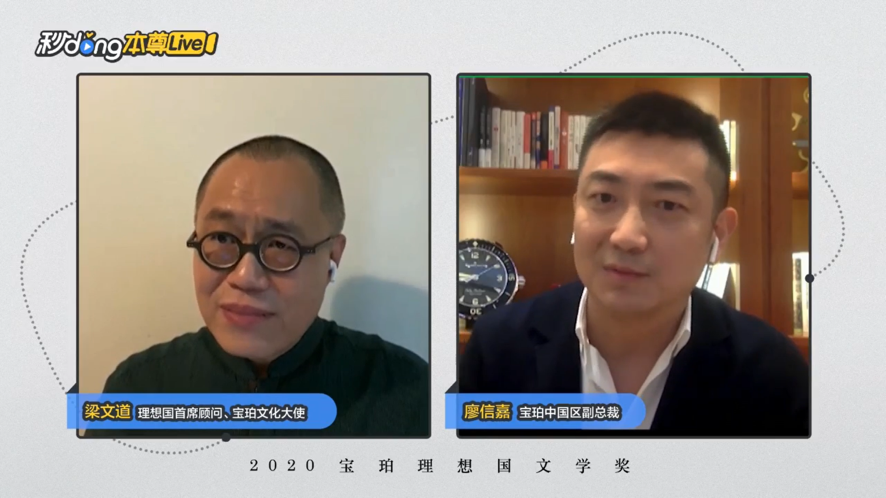
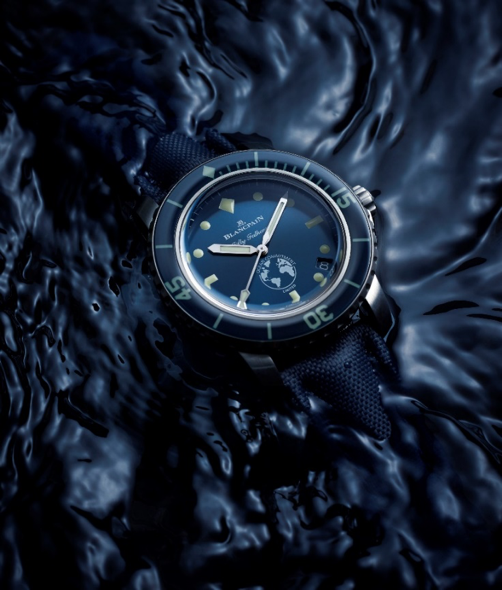
 “我和我的同时代人”直播海报

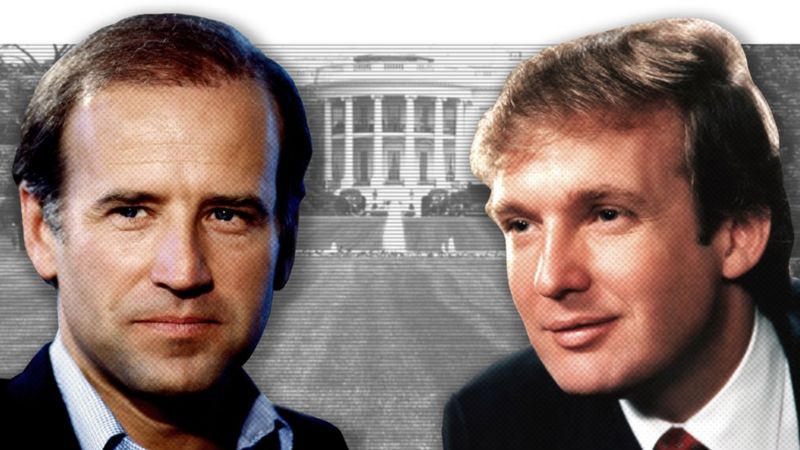 IMAGE COPYRIGHT
 IMAGE COPYRIGHT
 IMAGE COPYRIGHT
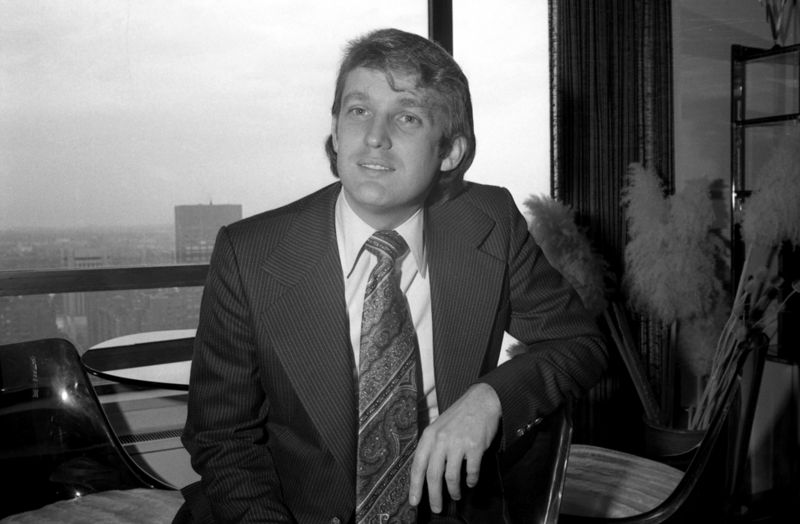 IMAGE COPYRIGHT
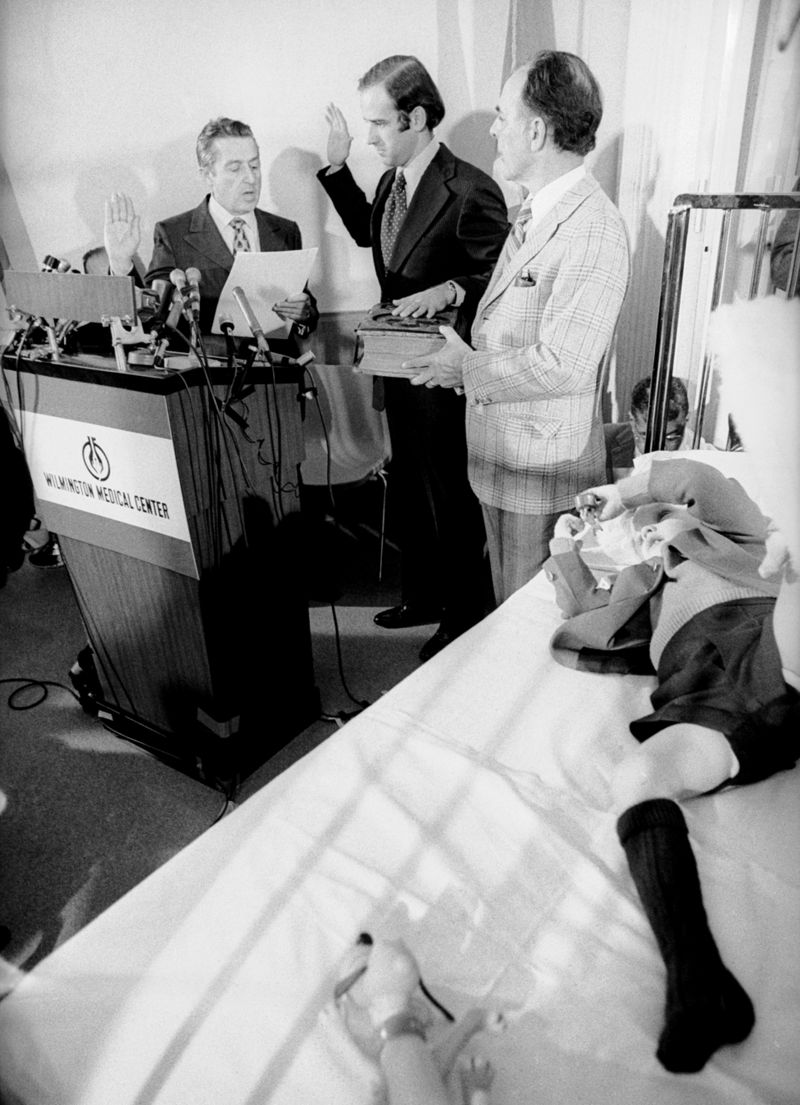 IMAGE COPYRIGHT
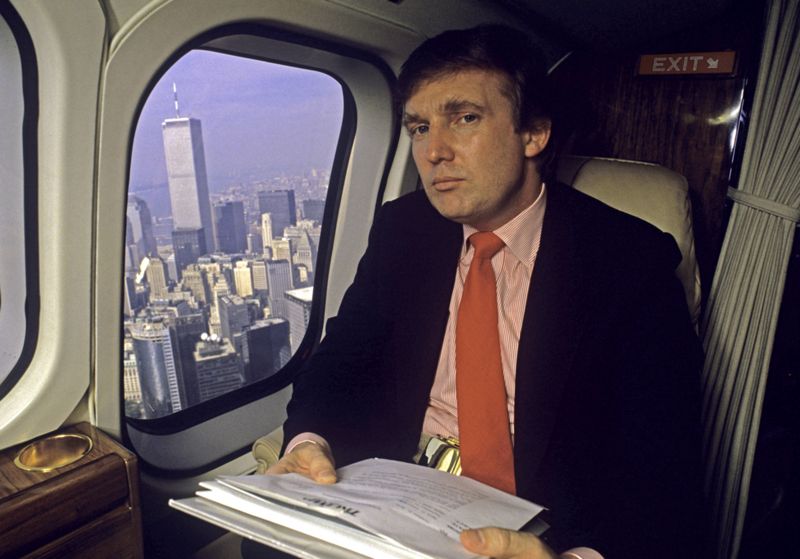 IMAGE COPYRIGHT
 IMAGE COPYRIGHT
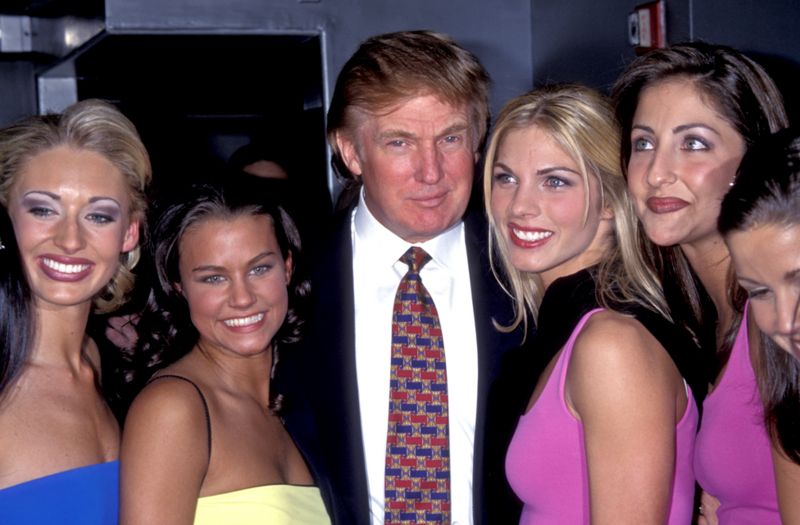 IMAGE COPYRIGHT
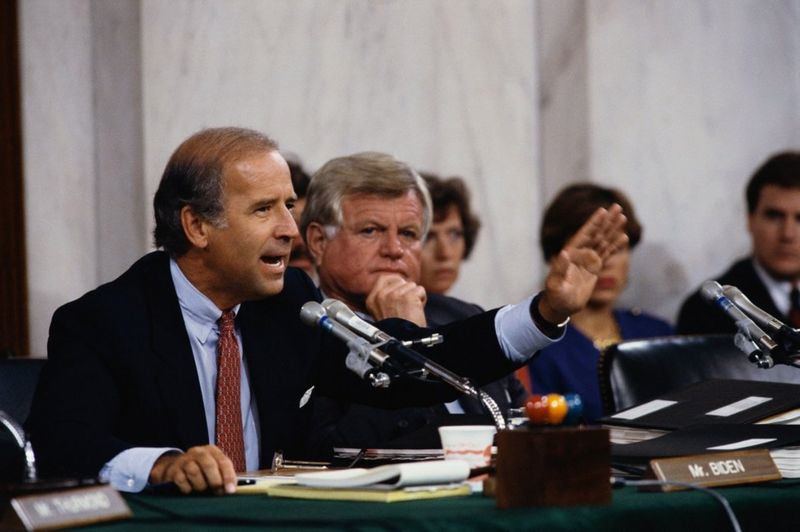 IMAGE COPYRIGHT
 IMAGE COPYRIGHT
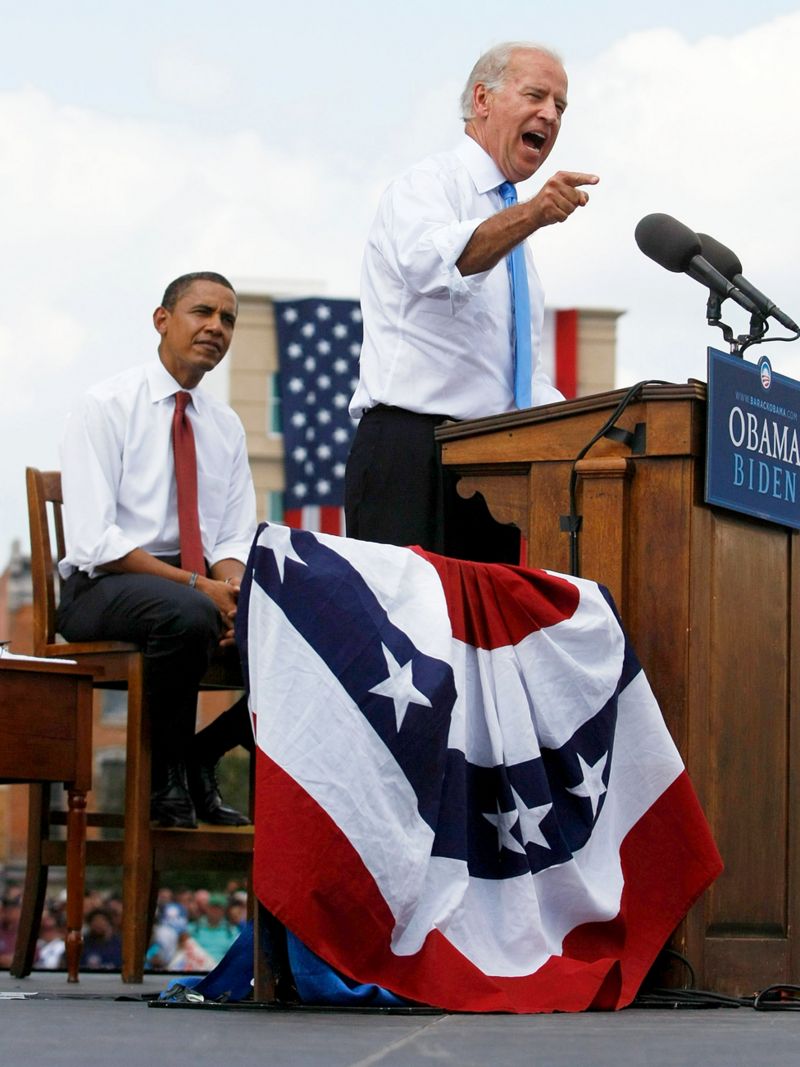 IMAGE COPYRIGHT
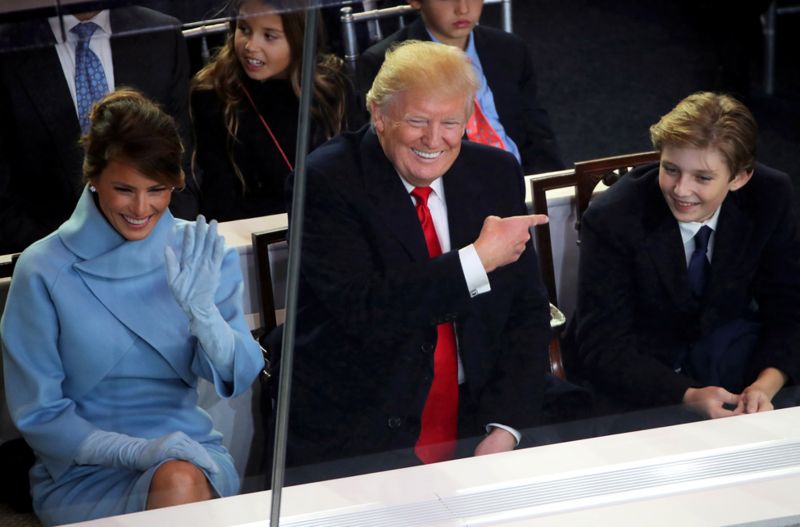 IMAGE COPYRIGHT
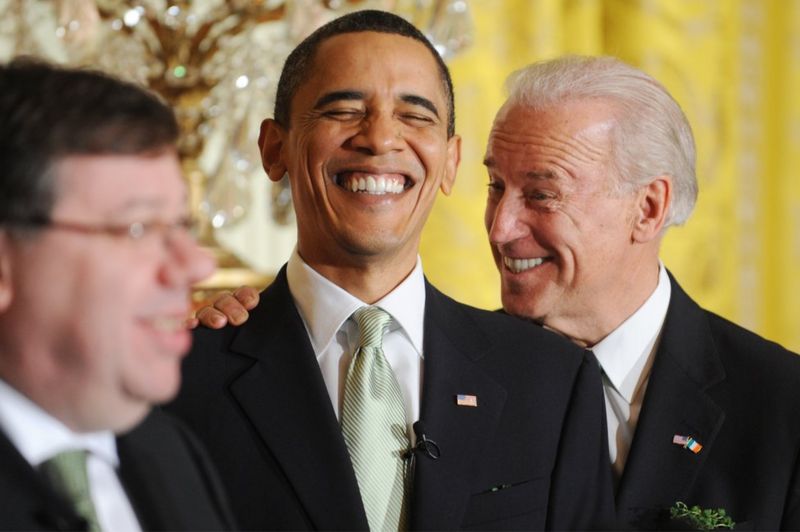 IMAGE COPYRIGHT
 IMAGE COPYRIGHT
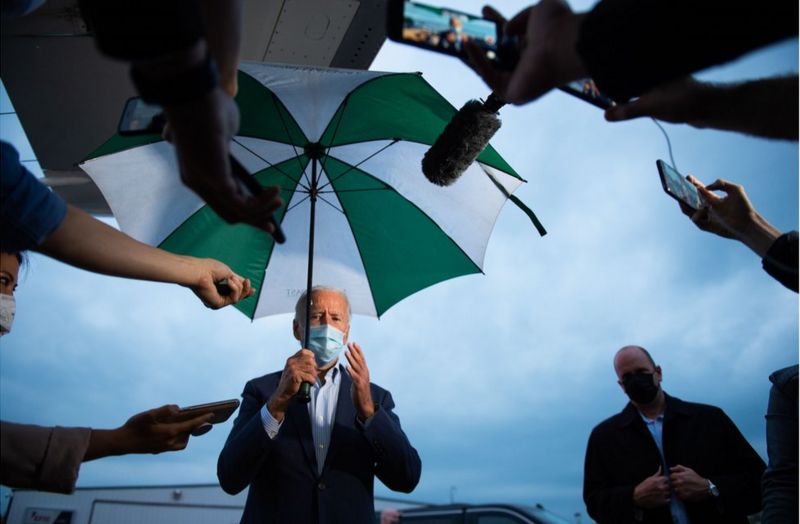 IMAGE COPYRIGHT